You step out of a hot shower, glance at your glass door, and there it is again: that stubborn, cloudy film that makes your bathroom look perpetually dirty no matter how often you clean. You're not alone. Soap scum on glass shower doors is one of the most common and frustrating household cleaning challenges.
So what exactly is soap scum? It's a stubborn combination of body oils, soap residue, and mineral deposit buildup from your water supply. These ingredients bond together on glass surfaces and harden over time, creating that hazy, rough layer you can't simply wipe away with a towel.
The good news: you can absolutely fix this. In this guide, you'll learn proven DIY methods, smart commercial options, and simple prevention strategies that keep your shower doors crystal clear with minimal effort.
Why Soap Scum Builds Up on Glass Shower Doors
The Science Behind the Film
When traditional soap meets the minerals in hard water (primarily calcium and magnesium), it forms a waxy substance called calcium stearate. This is the white, chalky residue that clings to your glass.
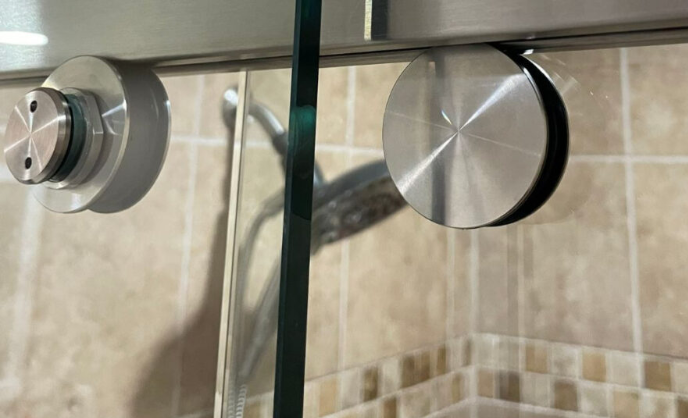
Hard water stains removal becomes significantly more difficult the longer these deposits sit undisturbed. Over days and weeks, layers accumulate and harden. Body oils and the warm, humid environment of your shower accelerate this process, essentially gluing everything to the glass surface.
Signs You Need to Act Now
Not sure if your doors need attention? Look for these telltale signs:
A white or gray hazy film that obscures the glass
A rough, gritty texture when you run a finger across the surface
Water no longer beads up and rolls off the glass
Visible streaks that remain even after wiping with a damp cloth
If you notice any of these, it's time to take action before the buildup becomes a permanent fixture.
Best DIY Methods to Remove Soap Scum From Glass
Method 1: Vinegar and Dish Soap Solution
This is the most popular and effective homemade approach, and for good reason. Here's how to make and use this vinegar cleaning solution:
Heat one cup of white vinegar in the microwave for about 60 seconds (warm, not boiling).
Pour it into a spray bottle and add an equal amount of liquid dish soap.
Gently swirl to combine without creating too many bubbles.
Spray generously across the entire glass surface.
Let it sit for 15 to 30 minutes. For heavy buildup, go the full 30.
Scrub with a non-abrasive sponge using circular motions.
Rinse thoroughly with warm water.
Why does this work so well? The acetic acid in vinegar dissolves mineral deposits and breaks down calcium stearate, while the dish soap cuts through grease and body oils. Together, they tackle both components of soap scum simultaneously.
Method 2: Baking Soda Paste for Heavy Buildup
When vinegar alone isn't cutting through months (or years) of neglected buildup, baking soda adds gentle abrasive power to the equation.
Mix three parts baking soda with one part water to form a thick, spreadable paste. Apply it directly to the most stubborn areas using your fingers or a sponge. Let it sit for about 10 minutes to soften the deposits.
Then scrub in small circular motions with a non-scratch sponge. The mild abrasiveness of baking soda physically loosens hardened residue without scratching the glass. This method works especially well on textured buildup or older deposits that have calcified over time. Rinse completely when finished.
Method 3: Commercial Bathroom Glass Cleaner Options
Sometimes you want a ready-made solution, and there's no shame in that. A quality bathroom glass cleaner can save time and deliver professional-level results.
You'll find three main categories on store shelves: acidic cleaners that dissolve mineral deposits chemically, enzymatic cleaners that break down organic residue, and foaming sprays that cling to vertical surfaces for extended contact time.
When choosing a product, check that it's safe for your specific hardware finish (chrome, brushed nickel, oil-rubbed bronze). Also verify it won't degrade rubber seals or silicone caulking. Read labels carefully and test in a small, inconspicuous area first.
Method 4: Magic Eraser / Melamine Foam
Melamine foam (sold as Magic Eraser and similar brands) works as a micro-abrasive, physically scrubbing away residue at a microscopic level. Simply dampen the foam pad and wipe across the glass in overlapping strokes.
This method works best for light-to-moderate soap scum and is incredibly convenient for quick touch-ups. However, use a gentle hand. Pressing too hard on coated or treated glass can potentially damage protective layers. For standard tempered glass, it's perfectly safe with normal pressure.
Method 5: Dryer Sheets (Surprising Hack)
Here's one that surprises most people: a dampened dryer sheet can wipe away light soap scum with minimal effort. The fabric softener agents in the sheet help dissolve and loosen residue on contact.
Simply wet a fresh dryer sheet and rub it across the glass. This is best positioned as a quick-fix between deeper cleanings rather than a solution for heavy buildup.
How to Remove Hard Water Stains Specifically
Identifying Hard Water Stains vs. Soap Scum
Hard water stains and soap scum often appear together, but they're different problems. Hard water stains show up as distinct white spots or crusty deposits of calcium and lime. Soap scum is a broader, filmy layer that covers larger areas.
Most shower doors have both present simultaneously, which is why a multi-pronged approach often works best for hard water stains removal.
Targeted Treatments for Mineral Deposits
For stubborn mineral spots, try these targeted approaches:
Vinegar soak method: Saturate paper towels with undiluted white vinegar and press them directly against the stained areas. Leave for 30 to 60 minutes, keeping them wet.
Lemon juice: Fresh lemon juice works well for lighter mineral stains and leaves a pleasant scent.
Commercial calcium and lime removers: Products specifically formulated for mineral deposits work faster than household acids.
Professional-grade options: For extreme cases where DIY methods fail, consider products containing phosphoric or hydrochloric acid (use with proper ventilation and protective gear).
Step-by-Step Deep Cleaning Process
What You'll Need (Supplies Checklist)
Spray bottle
White vinegar
Liquid dish soap
Baking soda
Microfiber cloths (at least two)
Non-scratch sponge
Squeegee
Rubber gloves
Old toothbrush (for edges, tracks, and hardware crevices)
The Complete Cleaning Walkthrough
Follow these steps for a thorough deep clean from start to finish:
Ventilate the bathroom. Open a window or turn on the exhaust fan. Good airflow protects you from fumes and helps surfaces dry properly.
Rinse the door with warm water. This removes loose debris and warms the glass, helping your cleaning solution work more effectively.
Apply your chosen cleaning solution. Spray generously, covering every inch of glass including edges and corners.
Wait patiently. Dwell time matters enormously. Give your solution at least 15 minutes to break down deposits chemically. Rushing this step is the most common mistake.
Scrub systematically from top to bottom. Work in sections so dirty runoff doesn't contaminate areas you've already cleaned.
Rinse thoroughly with warm water. Make sure no cleaning residue remains, as it can leave its own film.
Dry immediately with a clean microfiber cloth. This prevents new water spots from forming on your freshly cleaned glass.
Inspect and repeat on stubborn spots. Some areas may need a second application. Use the toothbrush for tracks and tight corners.
How to Prevent Soap Scum From Coming Back
Daily Habits That Make a Difference
Prevention is always easier than removal. These quick daily habits will dramatically reduce buildup:
Squeegee after shower: This takes just 30 seconds and has a massive impact. Using a squeegee after shower removes the water that carries minerals and soap residue before it can dry on the glass.
Quick spray of daily shower cleaner: A light mist after your last shower of the day keeps surfaces slippery and resistant to buildup.
Leave the door open: Allowing airflow after use helps moisture evaporate faster, giving deposits less time to form.
Of all prevention strategies, the squeegee after shower habit is the single most effective step you can take. It addresses the root cause by removing water before minerals can deposit.
Weekly Maintenance Routine
Set aside five minutes once a week for a light wipe-down. Keep a diluted vinegar spray bottle right in your shower for convenience. A quick spray and wipe with a microfiber cloth each week prevents the gradual accumulation that leads to deep-cleaning marathons.
Long-Term Solutions
For a more permanent approach to the problem, consider these investments:
Water softener installation: This tackles hard water stains removal at the source by filtering out calcium and magnesium before water reaches your shower.
Hydrophobic glass coatings: Products like Rain-X or ceramic-based sealants create an invisible barrier that causes water to bead and roll off rather than cling.
Switch from bar soap to liquid body wash: Liquid body washes and shower gels produce significantly less soap scum because they contain synthetic detergents rather than traditional soap.
Common Mistakes to Avoid
Even well-intentioned cleaning efforts can go wrong. Steer clear of these common pitfalls:
Using abrasive scrubbers or steel wool: These scratch glass permanently, creating micro-grooves where future buildup accumulates even faster.
Mixing vinegar and bleach: This combination produces toxic chlorine gas. Never combine these products, even accidentally.
Letting cleaning solution dry on glass before rinsing: Dried cleaner leaves its own residue and can be difficult to remove.
Ignoring door tracks and seals: Buildup in these areas harbors mold and eventually damages hardware.
Using newspaper to polish glass: This outdated tip can leave ink residue and smears on modern glass surfaces.
Frequently Asked Questions
What is the best homemade solution for soap scum on glass?
A heated vinegar cleaning solution mixed with equal parts dish soap is the most effective homemade option for routine cleaning. The warm vinegar dissolves mineral bonds more quickly than cold, while dish soap breaks down oily residue. This combination outperforms most single-ingredient approaches because it attacks both the mineral and organic components of soap scum simultaneously.
Can soap scum permanently damage glass shower doors?
Yes, it can. Long-term mineral deposit buildup can actually etch into glass surfaces, causing permanent clouding that no amount of cleaning will fix. The calcium and lime in hard water slowly corrode the glass at a microscopic level. Early and regular intervention prevents this permanent damage, which is why staying on top of cleaning matters.
How often should I deep clean my glass shower doors?
For most households, a thorough deep clean every one to two weeks keeps doors in excellent condition. If you have particularly hard water or multiple people using the same shower daily, lean toward weekly. With consistent daily squeegeeing, you can often stretch to every two weeks comfortably.
Does a squeegee really prevent soap scum?
Absolutely. When water evaporates on glass, it leaves behind dissolved minerals and soap residue. By using a squeegee after shower to remove water before it dries, you eliminate the primary mechanism through which deposits form. It's the simplest, most effective prevention tool available, and most people notice a dramatic difference within the first week.
Is it safe to use vinegar on all types of shower glass?
Vinegar is safe for standard tempered and clear glass. However, exercise caution with coated glass (like those with factory-applied protective treatments) as vinegar may degrade the coating. Frosted glass is generally fine. The bigger concern is natural stone surroundings: vinegar can etch and damage marble, travertine, and granite. If you have stone tile near your glass, use a pH-neutral cleaner instead.
Will a water softener eliminate soap scum entirely?
A water softener significantly reduces soap scum by removing the minerals that react with soap. However, it won't eliminate buildup completely. Body oils, skin cells, and product residues still accumulate on glass surfaces regardless of water hardness. You'll still need occasional cleaning, but it will be much easier and less frequent.
Conclusion
When it comes to sparkling shower doors, consistency beats intensity every time. You don't need to spend hours scrubbing if you maintain a simple routine. Pick the cleaning method that fits your situation, commit to a quick squeegee after each shower, and you'll enjoy clear, streak-free glass within a week. Your shower doors can look as good as the day they were installed — it just takes a little daily attention.