Creating soap from scratch is one of the most rewarding artisan crafts you can pursue. Whether you're drawn to the creative freedom of designing your own formulations or motivated by a desire for gentler, more natural skincare, understanding the full production process—from ingredient selection to final cure—is essential for producing safe, high-quality bars every time.
This comprehensive guide walks you through every stage of handmade soap production, covering the science behind saponification, detailed step-by-step instructions, critical safety protocols, and troubleshooting advice that will serve both beginners and experienced soapmakers.
Understanding Handmade Soap Fundamentals
What Is Handmade Soap?
Handmade soap is the product of saponification—a chemical reaction between fats (oils or butters) and an alkali (lye). The result is soap plus glycerin, a natural humectant that draws moisture to the skin. Unlike commercial soap, which often has glycerin stripped out and sold separately, handmade soap retains this beneficial byproduct.
Most commercial "soaps" are technically synthetic detergent bars (syndets) made from petroleum-derived surfactants. True handmade soap, by contrast, uses natural soap ingredients like plant-based oils and produces a product that cleanses without excessively stripping the skin's natural moisture barrier.
Types of Handmade Soap Methods
Cold Process (CP)
Cold process soap making is the most popular method among artisan soapmakers. It relies on the internal heat generated by the saponification reaction itself, rather than external heat sources, to drive the chemical process to completion.
The trade-off for this gentle approach is time. Cold process bars require a soap curing time of 4–6 weeks, during which water evaporates, the crystal structure matures, and the bar becomes harder and milder. This extended cure is what produces the smooth, luxurious lather that cold process soap is known for.
Hot Process (HP)
Hot process soap making accelerates saponification by applying external heat—typically via a slow cooker or double boiler. The soap "cooks" through its stages until saponification is complete, which means the finished product is technically safe to use much sooner.
While hot process bars benefit from a shorter cure (1–2 weeks for hardening), they have a more rustic, textured appearance. The thicker batter makes intricate swirl designs difficult, but the method appeals to makers who want faster turnaround or prefer a more natural, handcrafted aesthetic.
Melt and Pour (MP)
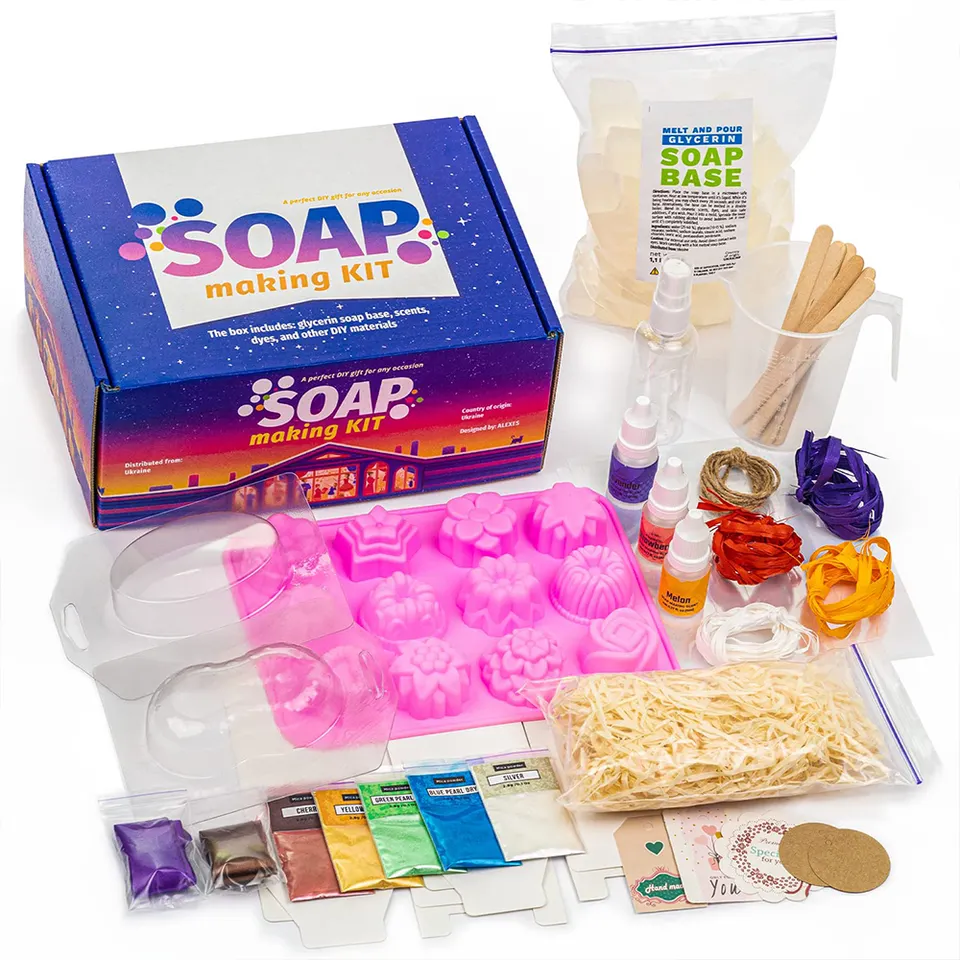
The melt and pour technique is the most accessible entry point for beginners. It uses a pre-made soap base (where saponification has already occurred) that you simply melt, customize with colors and fragrances, and pour into molds.
While this method eliminates the need to handle lye directly, it offers less control over the final product's oil composition and properties. The base ingredients are predetermined by the manufacturer, limiting true customization compared to from-scratch methods.
Rebatch (Hand-Milled)
Rebatching involves grating existing cold process soap, melting it with additional liquid, and remolding it. This technique is valuable for correcting batches where fragrance faded, colors went wrong, or the soap didn't perform as expected.
It's also useful for adding heat-sensitive ingredients like raw honey or delicate essential oils that might not survive the high temperatures of initial saponification. The resulting bars have a distinctive texture that falls between cold process smoothness and hot process rusticity.
Essential Ingredients and Equipment
Core Ingredients for Soap Making
Oils and Fats
The oils you choose determine every characteristic of your finished bar—hardness, lather quality, conditioning properties, and longevity. Common base oils include olive oil (conditioning, gentle lather), coconut oil (hardness, big bubbly lather), palm oil (hardness, stable lather), shea butter (conditioning, creamy lather), and castor oil (lather boost, humectant properties).
Each oil has a unique SAP (saponification) value—the amount of lye required to fully convert it to soap. Understanding these values is critical for formulating safe recipes. Beyond chemistry, consider the broader properties: some oils create harder bars, others boost lather, and still others provide exceptional skin conditioning.
Sustainable sourcing is an increasingly important consideration. Palm oil, while excellent for bar hardness, carries significant environmental concerns related to deforestation. Many soapmakers now seek RSPO-certified sustainable palm or substitute with other hard fats like lard, tallow, or cocoa butter.
Lye (Sodium Hydroxide / Potassium Hydroxide)
Sodium hydroxide (NaOH) is used for bar soap, while potassium hydroxide (KOH) produces liquid soap. Both are caustic alkalis that require careful handling and respect. Proper lye safety handling is non-negotiable—this is the single most dangerous ingredient in soap making.
Purchase lye from reputable suppliers who guarantee purity levels of 97–99%. Store it in airtight, clearly labeled containers away from moisture, as lye is hygroscopic and will absorb water from the air, compromising its effectiveness and making accurate measurements impossible.
Lye concentration calculations must be precise. Too much lye creates a caustic, skin-damaging bar; too little leaves unreacted oils that can go rancid. This is why a reliable lye calculator is indispensable.
Liquids
Water is the standard liquid for dissolving lye, but creative soapmakers use goat milk, coconut milk, aloe vera juice, herbal infusions, beer, wine, and even coffee. Each alternative liquid adds unique properties—goat milk contributes lactic acid and fats for extra creaminess, while beer adds sugars that boost lather.
The typical liquid-to-lye ratio ranges from 2:1 to 2.5:1 by weight. When using milk or sugar-containing liquids, freeze them before adding lye to prevent scorching and the development of unpleasant odors from overheated sugars and proteins.
Additives and Enhancements
Essential oils provide natural fragrance and potential therapeutic benefits, while fragrance oils offer a wider range of scents (including non-botanical options like ocean breeze or fresh linen) at lower cost. Usage rates typically fall between 3–6% of total oil weight for essential oils and vary by manufacturer for fragrance oils.
Natural colorants include clays (kaolin for white, French green, rose), botanicals (turmeric, paprika, spirulina), micas (mineral-based shimmer), and activated charcoal for dramatic black. Exfoliants like ground oatmeal, poppy seeds, and coffee grounds add texture and gentle scrubbing action.
Superfatting—adding extra oil beyond what the lye can convert—ensures no free lye remains and provides additional moisturizing properties. Most soapmakers superfat at 5–8%, striking a balance between skin conditioning and bar longevity.
Equipment and Tools Checklist
Precision is paramount in soap making. A digital scale accurate to 0.1 grams is essential—soap recipes are always measured by weight, never volume. An immersion (stick) blender dramatically reduces mixing time from hours of hand-stirring to minutes. An infrared or digital thermometer helps monitor temperatures of both lye solution and oils.
Use heat-resistant containers made from stainless steel, tempered glass, or HDPE #2 plastic for mixing lye. Silicone molds are popular for their flexibility and easy release, while wooden molds lined with freezer paper or silicone liners allow for larger batch production.
Critical warning: Never use aluminum, tin, or cast iron containers with lye. These metals react with sodium hydroxide, producing dangerous fumes and ruining both your equipment and your soap.
Step-by-Step Handmade Soap Production Process
Step 1: Recipe Formulation and Calculation
Every successful batch begins with a well-formulated recipe run through a lye calculator. Tools like SoapCalc or Bramble Berry's calculator take your chosen oils, quantities, and desired superfat percentage, then calculate the exact amount of lye and liquid needed.
Balance your oil profile for the bar qualities you want. A typical beginner recipe might combine 40% olive oil (conditioning), 30% coconut oil (cleansing and lather), 20% palm or lard (hardness), and 10% castor oil (lather boost). Aim for a superfat percentage of 5–8% for most skin types.
Always scale recipes by weight. A cup of coconut oil weighs differently depending on whether it's solid or liquid, making volume measurements dangerously unreliable for soap making chemistry.
Step 2: Workspace Preparation
Clear your workspace completely and cover surfaces with newspaper or plastic sheeting. Pre-measure every ingredient before you begin—once saponification starts, you won't have time to measure on the fly.
Ensure adequate ventilation (open windows or work near a range hood) for when you mix lye. Set up all safety equipment within arm's reach: goggles, gloves, and a source of running water. Prepare your molds by lining them or spraying with a light coat of cooking spray if needed.
Step 3: Lye Solution Preparation
The cardinal rule: Always add lye TO liquid, never pour liquid onto lye. Adding liquid to dry lye can cause a violent eruption of caustic solution. Slowly sprinkle measured lye into your pre-measured liquid while stirring gently with a heat-resistant utensil.
The reaction is intensely exothermic—temperatures can spike to 200°F (93°C) or higher. Fumes will rise from the solution; avoid breathing them by working in a ventilated area or holding your breath while stirring. The solution will appear cloudy initially, then clear as the lye fully dissolves.
Set the lye solution aside to cool to your target temperature. For standard cold process, aim for 100–130°F (38–54°C). If using frozen milk, the freezing helps absorb the heat and prevents the sugars from scorching into an orange or brown solution.
Step 4: Heating and Combining Oils
Melt any solid fats (coconut oil, shea butter, palm oil) gently over low heat or in a microwave. Once melted, combine with your liquid oils (olive, castor, sunflower) and stir to create a uniform mixture.
For cold process soap making, target an oil temperature of 100–130°F (38–54°C). The key is that your oils and lye solution should be within approximately 10°F of each other when combined. Extreme temperature differences can cause false trace or unpredictable acceleration.
Step 5: Mixing to Trace
Pour the cooled lye solution into your oils through a fine-mesh strainer (to catch any undissolved lye particles). Begin mixing with your immersion blender, alternating between short bursts of blending and stirring to avoid burning out the motor.
Watch for "trace"—the point where the mixture thickens enough that drizzled batter leaves a visible trail on the surface. Light trace resembles thin pudding and is ideal for intricate swirl designs. Medium trace is like thick pudding and works for most pours. Thick trace is nearly too thick to pour and is best for textured tops or suspending heavy additives.
This is your window for adding fragrances, colors, and other additives. Work efficiently, as the batter will continue to thicken.
Step 6: Adding Fragrance, Color, and Additives
Add essential oils or fragrance oils at the recommended usage rate—typically 0.7 oz per pound of oils for fragrance oils, though this varies by supplier. Stir thoroughly to distribute evenly before the batter thickens further.
For swirl designs, divide your batter into separate containers and color each portion individually. Use techniques like in-the-pot swirls, hanger swirls, or drop swirls depending on your desired aesthetic. Be aware that some fragrances—particularly those containing vanillin, floral compounds, or spice notes—can accelerate trace dramatically or cause the batter to seize into an unworkable mass.
Temperature-sensitive additives like raw honey, fresh purees, or certain essential oils should be added at the coolest possible temperature to preserve their beneficial properties.
Step 7: Pouring and Molding
Pour your soap batter into prepared molds at the appropriate trace thickness for your design. Tap the mold firmly against the counter several times to release trapped air bubbles that could create unsightly holes in the finished bar.
Create textured tops using a spoon, spatula, or fork for visual interest. Sprinkle dried botanicals, mica powder, or other decorative elements on top while the surface is still tacky.
Decide whether to insulate your mold (wrapping in towels to encourage gel phase for vibrant colors) or leave it uncovered (to prevent gel phase for a more matte, opaque appearance). Both approaches produce perfectly good soap with different aesthetic qualities.
Step 8: Gel Phase and Unmolding
Gel phase is an optional heating stage where the soap's internal temperature rises high enough (around 180°F/82°C) to create a translucent, gel-like appearance that results in more vibrant colors and a slightly glossy finish. Not all soap gels, and ungelled soap is equally safe and effective.
The CPOP (Cold Process Oven Process) technique forces gel phase by placing the filled mold in a preheated oven (170°F/77°C) turned off, allowing residual heat to push the soap through gel uniformly. This prevents partial gel—where only the center gels, creating a visible ring in the finished bar.
Most cold process soap is ready to unmold within 24–72 hours. Signs it's ready include firmness to the touch, easy release from mold edges, and no soft or sticky areas. Milk soaps and high-olive-oil recipes mayneed up to a week before they're firm enough to unmold without denting or warping.
Step 9: Cutting and Beveling
Once unmolded, most loaf-style soaps need to be cut into individual bars. Timing matters: cut too early and the bars may squish; too late and they may crumble or crack. The ideal window is typically 24–48 hours after unmolding, when the soap is firm but still slightly pliable.
Tools range from simple kitchen knives and mitre boxes to dedicated single-bar cutters and multi-wire cutting systems for uniform slices. For a professional finish, bevel the edges with a vegetable peeler or dedicated beveling tool—this removes sharp corners that can crumble during curing and gives bars an elegant, polished appearance.
Stamping with custom soap stamps should be done while bars are still slightly soft for clean, deep impressions. Wait too long and the stamp won't penetrate; stamp too early and the impression may fill back in as the soap settles.
Step 10: Curing Process
The soap curing time for cold process bars is a minimum of 4–6 weeks, though many soapmakers prefer 6–8 weeks or longer for premium quality. During this period, several important changes occur: excess water evaporates (creating a harder, longer-lasting bar), the crystal structure of the soap matures (improving lather quality), and the bar becomes progressively milder on skin.
Cure bars on a rack or drying screen that allows air circulation on all sides. The environment should be cool, dry, and away from direct sunlight. Rotate bars weekly to ensure even drying. High humidity can slow curing and promote dreaded orange spots (DOS), while excessive heat can cause sweating.
Test pH levels after curing using pH strips or a digital meter. Properly made soap should register between pH 8–10. Anything significantly above 10 may indicate excess lye and should be investigated further with a zap test before use.
Critical Safety Precautions
Personal Protective Equipment (PPE)
Safety goggles are non-negotiable—and regular eyeglasses are not sufficient. You need splash-proof chemical safety goggles that seal around your eyes, protecting against splashes from any angle. A single drop of lye solution in the eye can cause permanent damage.
Wear chemical-resistant gloves (nitrile is preferred over latex for better chemical resistance), long sleeves, closed-toe shoes, and an apron. Remove all jewelry, tie back long hair, and avoid loose clothing that could catch on equipment or dip into caustic solutions.
Lye Handling Safety
Lye burns can be deceptive. A splash on skin may not immediately hurt—it often feels slippery first as the lye begins to saponify your skin oils. Within seconds to minutes, a burning sensation develops. Immediate flushing with copious running water for at least 15–20 minutes is the correct first aid response for skin contact.
For eye contact, flush continuously with water for at least 20 minutes and seek emergency medical attention immediately. For ingestion (which should never occur in a properly managed workspace), do not induce vomiting—call poison control immediately.
Important myth to debunk: Many older resources recommend keeping vinegar nearby to neutralize lye. This is dangerous advice. The acid-base reaction between vinegar and lye generates heat, potentially worsening a burn. Always flush with plain water only.
Keep children and pets completely away from your soap-making workspace. Store lye in a locked cabinet or high shelf, clearly labeled with hazard warnings. Never leave lye solution unattended, even briefly.
Workspace Safety Protocols
Dedicate specific equipment to soap making—never share containers, utensils, or mixing tools with food preparation. Even after thorough washing, microscopic lye residue can remain in scratches and pores of equipment.
Label every container clearly, especially if you store lye solution temporarily. A cup of clear lye solution is visually indistinguishable from water. Keep your workspace organized so that nothing can be accidentally knocked over, and always have paper towels and a spray bottle of water within reach for immediate spill management.
Be aware of fire safety when heating oils—never leave melting fats unattended, and keep a lid nearby to smother any potential oil fire. Never use water on a grease fire. Additionally, exercise caution with immersion blenders near liquids to avoid electrical hazards.
Common Accidents and Emergency Response
If lye solution splashes on skin, immediately flush the area under running water for 15–20 minutes. Remove any contaminated clothing while flushing. If a large area is affected or blistering occurs, seek medical attention.
For soap batter spills on countertops or floors, allow the spill to cool and begin to solidify before wiping up with paper towels. Wipe the area with a damp cloth multiple times, then clean normally. Raw soap batter is still caustic and should be treated with the same respect as lye solution.
Hot process soap can occasionally "volcano"—expanding rapidly out of the cooking vessel due to overheating. If this begins, turn off the heat source immediately and cover the pot with a lid. Never attempt to move a volcaning pot of hot soap. Work near the heat source with adequate space around it for this reason.
Troubleshooting Common Problems
Cosmetic Issues
Soda ash is a white, powdery film that forms on the surface of curing soap. It's harmless but aesthetically undesirable. Prevent it by spraying the top of freshly poured soap with 99% isopropyl alcohol, covering the mold tightly with plastic wrap, or forcing gel phase. If it does form, steam it off with a handheld garment steamer or wash it away under running water.
Glycerin rivers—translucent, wavy lines through the bar—occur most often with titanium dioxide colorant and gel phase. Minimize them by reducing titanium dioxide usage, avoiding gel phase, or using alternative white colorants like kaolin clay.
Vanilla-containing fragrance oils will cause browning over time due to vanillin content. Use a vanilla color stabilizer or embrace the natural discoloration by designing around it (using dark colors or planning for a rustic appearance).
Structural Problems
Soap that remains soft after several days likely has too much liquid oil in the recipe, excess water, or insufficient lye. Check your recipe through a lye calculator to verify accuracy. If the recipe is correct, simply allow more curing time—some high-olive-oil soaps need 3+ months to reach optimal hardness.
Crumbling or cracking indicates too much lye (lye-heavy soap), too high a percentage of hard/brittle oils, or insufficient liquid. Lye-heavy soap should be discarded or carefully rebatched with additional oils. Cracking from temperature extremes during gel phase can be prevented by moderating insulation.
Air pockets form when batter is poured too quickly or at too thick a trace. Prevent them by pouring at a thinner trace and tapping molds firmly. Partial gel creates a darker center ring—prevent it by either fully insulating (to gel the entire bar) or placing the mold in the refrigerator (to prevent gel entirely).
Safety-Related Failures
Lye-heavy soap is the most serious failure because it can burn skin. Identify it through pH testing (readings well above 10), the zap test (touching a small amount to your tongue—a "zap" like touching a battery indicates free lye), or visual cues like translucent, crumbly, or extremely hard texture with an acrid smell.
Dreaded orange spots (DOS) indicate oil rancidity. They appear as small orange or brown spots that smell unpleasant. Prevent DOS by using fresh oils, adding antioxidants like rosemary oleoresin extract (ROE) or vitamin E, and storing cured soap in cool, dark conditions.
False trace occurs when solid fats begin to re-solidify (due to temperature dropping) rather than true emulsification occurring. The mixture appears thick but hasn't actually saponified. This leads to separation in the mold. Prevent it by ensuring oils and lye solution are at proper temperatures before combining.
Quality Control and Testing
pH Testing Methods
pH test strips designed for the 0–14 range provide a quick, affordable way to check your soap. Wet the bar's surface slightly and press the strip against it, then compare the color to the provided chart. Digital pH meters offer more precision but require calibration and proper technique (dissolving a small amount of soap in distilled water for accurate readings).
The zap test remains a traditional method: touch a tiny amount of soap to the tip of your tongue. If you feel a sharp, unpleasant "zap" similar to licking a battery, free lye is present. No zap means the soap is safe. Properly made soap should have a pH between 8–10—alkaline enough to cleanse but mild enough for skin.
Shelf Life and Storage
Well-made handmade soap typically lasts 12–24 months, depending on the oils used. Soaps high in polyunsaturated fats (like sunflower or hemp seed oil) have shorter shelf lives, while those made primarily with saturated fats (coconut, palm, tallow) last longer.
Store cured soap in a cool, dark, dry location with good air circulation. Avoid airtight containers for long-term storage, as trapped moisture can promote DOS. For retail packaging, consider breathable wraps like paper bands or fabric, or use shrink wrap with ventilation holes for humidity-prone environments.
Label every batch with the production date, recipe name or number, and ingredients. This documentation is invaluable for tracking shelf life, identifying problematic recipes, and meeting regulatory requirements if you sell your soap.
Legal Considerations and Selling Handmade Soap
Regulatory Compliance
In the United States, the FDA classifies true soap (made primarily from fats and alkali, marketed solely for cleansing) differently from cosmetics. If your soap makes cosmetic claims (moisturizing, anti-aging, acne-fighting), it falls under cosmetic regulations requiring compliance with labeling laws, ingredient disclosure, and manufacturing standards.
The EU Cosmetic Regulation is significantly more stringent, requiring a Cosmetic Product Safety Report (CPSR) prepared by a qualified assessor, product information files, registration in the CPNP (Cosmetic Products Notification Portal), and compliance with GMP standards (ISO 22716).
Regardless of jurisdiction, labeling requirements typically include INCI (International Nomenclature of Cosmetic Ingredients) names for all ingredients listed in descending order of concentration, net weight, manufacturer name and address, and batch identification numbers.
Insurance and Business Basics
Product liability insurance is essential for anyone selling handmade soap, even at small craft markets. A single allergic reaction claim could be financially devastating without coverage. Policies specifically designed for handmade cosmetics and soap are available from specialty insurers.
Maintain detailed batch logs recording every recipe, ingredient source, supplier lot numbers, production dates, and any deviations from standard procedure. This documentation protects you legally and helps trace any issues back to their source. Include allergen disclosures for common sensitizers like nut oils, essential oils, and botanical additives.
Sustainable and Eco-Friendly Practices
Ingredient Sourcing
The palm oil debate continues to challenge soapmakers. While palm oil produces excellent bar qualities, conventional palm farming drives deforestation and habitat destruction. Options include using RSPO-certified sustainable palm, substituting with lard or tallow (animal-based alternatives), or formulating palm-free recipes using combinations of cocoa butter, mango butter, and other hard fats.
Locally sourced oils and botanicals reduce transportation footprint and support regional agriculture. Consider tallow from local butchers, beeswax from nearby apiaries, or herbs and flowers from your own garden. Organic ingredients reduce pesticide exposure but come at higher cost—weigh the benefits against your price point and market positioning.
Waste Reduction
Minimize waste by carefully calculating recipes to avoid excess lye solution. Soap scraps and trimmings from cutting can be collected and rebatched into new bars, grated for laundry soap, or dissolved into liquid hand soap. Failed batches that are lye-safe can be rebatched with corrections rather than discarded.
Choose eco-friendly packaging: recycled kraft paper, compostable cellophane, reusable fabric wraps, or minimal paper bands. Avoid single-use plastics where possible. Handmade soap itself is inherently more environmentally friendly than synthetic detergent bars—it's fully biodegradable and breaks down safely in waterways without contributing to microplastic pollution.
Frequently Asked Questions (FAQ)
Is handmade soap safe for sensitive skin?
Handmade soap can be exceptionally well-suited for sensitive skin because formulations are fully customizable. By selecting gentle oils like olive and sweet almond, superfatting at a higher percentage (7–8%), and avoiding common irritants like synthetic fragrances and harsh essential oils, you can create bars specifically tailored for reactive skin. The natural glycerin retained in handmade soap also provides moisturizing benefits that commercial bars lack.
That said, always perform a patch test before using any new soap extensively. Avoid common allergens such as nut oils (if allergic), certain essential oils (lavender and tea tree can sensitize some individuals), and botanical additives that may cause contact dermatitis in susceptible people.
How long does handmade soap last compared to commercial soap?
Properly made and stored handmade soap has a typical shelf life of 12–24 months. Factors that affect longevity include the types of oils used (saturated fats last longer than polyunsaturated ones), storage conditions (cool, dark, and dry is ideal), and whether antioxidant additives like rosemary oleoresin extract (ROE) or vitamin E were included in the formulation.
Soaps made primarily with stable oils like coconut, olive, and tallow tend toward the longer end of that range, while those containing high percentages of hemp seed, grapeseed, or sunflower oil may develop rancidity sooner. Proper curing and storage are your best defenses against premature degradation.
Can I make handmade soap without lye?
All true soap is the result of saponification—a reaction that requires lye (sodium or potassium hydroxide). There is no way to make soap from scratch without lye. However, if you want to avoid handling lye personally, the melt and pour technique is your solution. These pre-made bases have already undergone saponification at the factory, so you work only with a safe, pre-reacted product.
Be wary of "no-lye soap" claims online. They are either using melt and pour bases (where lye was used in manufacturing), describing a non-soap product (like a syndet bar), or are simply misinformed. The lye is entirely consumed during saponification—no lye remains in properly made finished soap.
What is the safest beginner method for making handmade soap?
For absolute beginners, the melt and pour technique offers a completely lye-free experience with beautiful results. You can learn about fragrance usage rates, colorant behavior, and mold techniques without any caustic chemical risk.
When you're ready to advance to cold process soap making, start with a simple 3–4 oil recipe (such as olive, coconut, and palm or lard) with well-documented proportions from a trusted source. Follow all safety precautions meticulously, use a verified lye calculator, and measure every ingredient by weight on a precise digital scale. Consider taking an in-person class or watching detailed video tutorials before your first batch.
How do I know if my handmade soap is lye-heavy and unsafe?
Several indicators can reveal lye-heavy soap. Visually, it may appear unusually translucent, have a crumbly or brittle texture, or feel excessively harsh when touched with wet hands. pH testing should show readings between 8–10 for safe soap; readings significantly above 10 warrant further investigation.
The zap test provides a definitive answer: touch a dampened corner of the soap briefly to the tip of your tongue. A sharp, unpleasant electrical-like "zap" indicates free lye. No zap means the soap is safe. The best prevention is using a verified lye calculator, measuring all ingredients precisely on a calibrated scale, and double-checking calculations before every batch.
Why does my soap need to cure for 4–6 weeks?
The soap curing time serves multiple critical purposes. First, water evaporates from the bar, creating a harder, denser soap that lasts significantly longer in the shower. Second, while saponification is largely complete within 48 hours, the remaining reactions finish fully during the cure, ensuring no pockets of unreacted lye remain.
Third, the soap's crystal structure matures during curing, which improves lather quality—producing a creamier, more stable foam. Finally, the bar becomes progressively milder over time. A freshly made bar, even if technically safe, will feel harsher on skin than the same bar after a full 6-week cure. Patience produces a superior product in every measurable way.
Can I use any essential oil in handmade soap?
Not all essential oils are appropriate for soap making. Some are phototoxic (cold-pressed citrus oils like bergamot can cause burns when skin is exposed to sunlight), some are toxic at common usage levels (wintergreen, pennyroyal, sassafras), and others are potent skin sensitizers that should be used at very low percentages or avoided entirely.
Additionally, certain essential oils behave problematically in soap batter. Clove, cinnamon, and some floral absolutes can dramatically accelerate trace, giving you seconds instead of minutes to work. Always research maximum safe usage rates from reputable sources like the IFRA (International Fragrance Association) guidelines, and test new essential oils in small batches first.
What causes handmade soap to sweat or develop orange spots?
Sweating occurs because the glycerin in handmade soap is hygroscopic—it attracts moisture from the surrounding air. In humid environments, tiny water droplets form on the bar's surface. This is cosmetic only and doesn't affect the soap's safety or performance. Minimize sweating by storing soap in low-humidity environments or wrapping bars in breathable packaging.
Dreaded orange spots (DOS) are a more serious concern, indicating that unsaturated fatty acids in the soap have oxidized and become rancid. They appear as small orange or yellowish-brown spots with an unpleasant off-odor. Prevent DOS by using fresh oils (check expiration dates), adding antioxidants like ROE at 0.02–0.05% of total oil weight, avoiding high percentages of easily oxidized oils, and storing finished soap in cool, dark, dry conditions away from heat and light.
Final Thoughts
Handmade soap production is a deeply satisfying blend of science, art, and craftsmanship. Whether you choose the creative freedom of cold process soap making, the speed of hot process, or the accessibility of the melt and pour technique, success depends on understanding your ingredients, respecting safety protocols, and allowing adequate soap curing time for a finished product you can be proud of.
Start simple, document everything, and never compromise on lye safety handling. With practice and patience, you'll develop the skills and intuition to create beautiful, skin-nourishing soaps using natural soap ingredients that outperform anything on a commercial shelf.