You've just finished mincing a mountain of garlic for dinner. Your hands reek. You scrub them with dish soap, try lemon juice, even rub them with coffee grounds — and that pungent smell still lingers. Sound familiar?
Now imagine rubbing your hands on a simple chunk of metal under cold water, and the smell vanishes in seconds. That's the promise of stainless steel soap, and for millions of home cooks and professional chefs, it actually delivers.
But how does a piece of metal eliminate odors? Is it real science or kitchen folklore? Let's break it all down in plain language.
What Is Stainless Steel Soap?
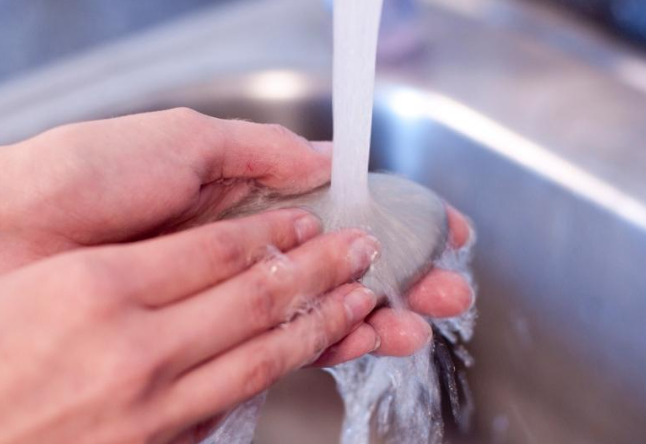
Stainless steel soap is exactly what it sounds like — a solid piece of stainless steel shaped like a traditional bar of soap. It's designed to remove stubborn cooking odors like garlic, onion, and fish from your hands without any chemicals, fragrances, or consumable products.
It's been gaining popularity as a reusable, eco-friendly kitchen tool. You buy it once, and it lasts essentially forever. No refills, no waste, no skin irritation.
What It Looks Like and How It's Used
Most stainless steel soap bars are oval-shaped and about the size of a regular bar of soap. Some come with a small tray or holder. You'll also find versions embedded in soap dispensers or integrated into sink accessories.
Using it couldn't be simpler: hold the steel bar under cold running water and rub it between your hands for about 30 seconds. That's it. No scrubbing, no lathering — just smooth metal and water.
A Brief History of the Stainless Steel Soap Concept
This trick didn't start with a product — it started in professional kitchens. For decades, chefs have rubbed their hands on stainless steel faucets, sink basins, and countertops after handling pungent ingredients. They noticed the smell disappeared faster than with regular soap alone.
Eventually, someone had the bright idea to shape a dedicated piece of steel into a convenient bar and sell it. The concept transitioned from a professional kitchen hack to a consumer product you can pick up for under $15.
The Science — How Does Stainless Steel Remove Odors From Your Hands?
Here's where things get interesting. The explanation involves a bit of chemistry, but don't worry — we'll keep it simple.
Why Your Hands Smell After Cutting Garlic or Onion
When you cut garlic, you release a compound called allicin, which quickly breaks down into various sulfur compounds like diallyl disulfide. These tiny, volatile molecules bind to the proteins in your skin.
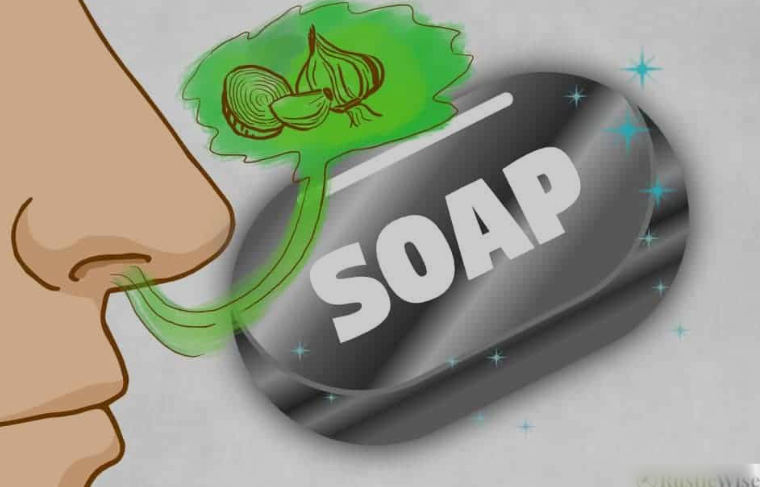
Onions work similarly. Cutting them releases syn-propanethial-S-oxide — another sulfur-based molecule. These sulfur compounds are clingy. They don't just sit on the surface; they chemically bond to your skin, which is why regular soap often can't fully wash them away.
The Role of Metal Ions in Odor Neutralization
This is the key mechanism. Stainless steel is a chromium nickel alloy — it contains iron, chromium, and nickel, among other metals. When you rub your hands on the steel surface under water, metal ions from the surface interact with those sulfur compounds stuck to your skin.
The metal ions essentially bind to the sulfur-containing molecules, pulling them off your skin and neutralizing the odor. Think of it as a molecular swap — the sulfur compounds prefer bonding with the metal ions over clinging to your skin proteins. The process of odor neutralization happens at the surface level, quickly and efficiently.
Why Cold Water Matters
You might instinctively reach for warm water, but cold water is actually more effective here. Cold water keeps your skin's pores tighter, which helps prevent odor molecules from sinking deeper into your skin.
Cold water also facilitates the ion-exchange reaction at the steel surface more effectively. Warm water, on the other hand, can actually set certain odors deeper into the skin — similar to how hot water sets protein-based stains in fabric.
Does the Steel Wear Down Over Time?
This is a common question, and the answer is reassuring. No, it doesn't wear down in any meaningful way. The reaction occurs at a molecular level — we're talking about individual ions, not visible chunks of metal.
Stainless steel is incredibly durable and corrosion-resistant by design. Your steel soap bar will look virtually identical after ten years of regular use. It's one of the few kitchen tools that truly lasts a lifetime.
What Odors Can Stainless Steel Soap Remove?
Not all smells are created equal. Stainless steel soap is highly effective against certain types of odors and much less so against others. Here's a breakdown:
| Odor Source | Key Compound | Effectiveness | Notes |
|---|---|---|---|
| Garlic | Allicin / Diallyl disulfide | ★★★★★ | Most common use case |
| Onion | Syn-propanethial-S-oxide | ★★★★★ | Sulfur-based; highly responsive |
| Fish | Trimethylamine | ★★★★☆ | Very effective with cold water |
| Shrimp / Shellfish | Trimethylamine oxide | ★★★★☆ | Similar mechanism to fish |
| Cigarette smoke | Various tar compounds | ★★☆☆☆ | Limited effectiveness |
| Perfume / Chemical odors | Synthetic fragrances | ★☆☆☆☆ | Not sulfur-based; poor results |
The pattern is clear: stainless steel soap excels at neutralizing sulfur compounds. If the smell comes from sulfur-based molecules — as most pungent cooking odors do — the steel bar will likely work wonders. For non-sulfur-based smells like synthetic fragrances or smoke, you'll need a different approach.
Stainless Steel Soap vs. Traditional Methods of Hand Odor Removal
People have tried all sorts of tricks to get cooking smells off their hands. How does stainless steel soap stack up against the alternatives?
| Method | Effectiveness on Garlic/Onion | Cost Over Time | Eco-Friendly | Skin Irritation Risk |
|---|---|---|---|---|
| Stainless Steel Soap | High | Very Low (one-time purchase) | Yes | None |
| Regular Soap | Moderate | Ongoing | Varies | Low |
| Lemon Juice | Moderate-High | Ongoing | Yes | Moderate (cuts/dry skin) |
| Baking Soda Paste | Moderate | Low | Yes | Low |
| Coffee Grounds | Low-Moderate | Low | Yes | Low |
| Toothpaste | Moderate | Ongoing | No | Low |
Stainless steel soap stands out for several reasons: zero consumables, no chemicals, no risk of skin irritation, and an indefinite lifespan. While lemon juice and baking soda can work reasonably well, they require ongoing purchases and can sting if you have cuts on your hands. The steel bar is a one-and-done solution for effective hand odor removal.
Does Stainless Steel Soap Actually Work? What the Evidence Says
Let's be honest — any product that sounds too good to be true deserves some scrutiny. Here's a balanced look at the evidence.
What Kitchen Professionals Say
The endorsement from chefs and food industry workers is widespread and consistent. Professional cooks handle garlic, onions, and fish all day long. Many swear by stainless steel for quick odor neutralization between tasks.
This isn't a niche opinion — it's a routine practice in commercial kitchens around the world. That kind of real-world, repeated validation carries significant weight.
What Scientific Research Suggests
Here's where we need to be transparent: peer-reviewed studies specifically on stainless steel soap are limited. The prevailing chemistry hypothesis — that metal ions bond with sulfur compounds on the skin — is well-grounded in basic chemistry principles, but it hasn't been extensively tested in controlled laboratory settings dedicated to this specific application.
Some researchers have suggested that the mechanical friction of rubbing hands on a smooth surface, combined with cold water, may account for part of the effect. In other words, the physical action itself might contribute alongside any chemical reaction.
Both explanations likely play a role. The chemistry is plausible, and the practical results are consistently reported.
The Placebo Debate
A small number of critics argue the effect could be partly psychological — that people expect it to work, so they perceive the smell as diminished. It's a fair point to raise.
However, the sheer volume of consistent, repeatable results reported by millions of users — including skeptical chefs who initially tried it as a joke — makes a purely placebo explanation hard to sustain. When something works consistently across diverse populations and settings, there's usually something real going on.
How to Choose and Care for Stainless Steel Soap
What to Look For When Buying
Not all stainless steel bars are created equal. Here's what to prioritize:
Food-grade stainless steel — Look for 304-grade steel, which contains the right chromium nickel alloy composition for both safety and effectiveness
Smooth, polished surface — A well-finished surface is more comfortable and ensures better contact with your skin
Ergonomic shape — You want something easy to grip and rub between both hands
Reasonable price — Most quality options fall in the $5–$15 range. There's no need to spend more
Maintenance Tips
Caring for stainless steel soap is incredibly low-maintenance. Simply rinse it after each use and dry it with a towel to prevent water spots. That's genuinely all you need to do.
No special cleaning solutions, no replacement parts, no expiration date. With basic care, your steel soap bar will last indefinitely.
Frequently Asked Questions (FAQ)
Is stainless steel soap safe to use?
Yes, completely. It contains no chemicals, fragrances, dyes, or allergens. It's simply a solid piece of food-grade metal. It's safe for all skin types, including sensitive skin.
Can I just rub my hands on a stainless steel sink instead?
Absolutely — the same principle applies. Chefs have been doing this for years. A dedicated bar is simply more convenient and ergonomic, allowing you to rub it thoroughly across all surfaces of your hands, including between fingers where odors tend to linger.
Does stainless steel soap replace regular hand washing?
No, and this is an important distinction. Stainless steel soap neutralizes odors, but it does not kill bacteria or remove germs. You should always wash with regular soap and water for proper hygiene, especially after handling raw meat or fish.
How long do I need to rub my hands on it?
About 30 seconds under cold running water is the sweet spot for most odors. For particularly strong smells — like after handling a large batch of raw garlic — you might want to go a bit longer, up to 60 seconds.
Why doesn't stainless steel soap work on all smells?
It specifically targets sulfur compounds through metal ion interaction. Odors from non-sulfur sources — such as synthetic chemicals, smoke residue, or perfumes — operate through completely different chemistry and don't respond well to this type of odor neutralization.
Does the size of the bar matter?
Not for effectiveness — the chemical reaction happens at the surface regardless of size. However, a larger bar is easier to grip and manipulate between both hands, making the process more comfortable and thorough. Choose whatever size feels best in your hands.
The bottom line: Stainless steel soap is one of those rare kitchen tools that's simple, affordable, backed by reasonable science, and genuinely useful. If you're tired of walking around with garlic hands after cooking dinner, it's well worth the small investment.