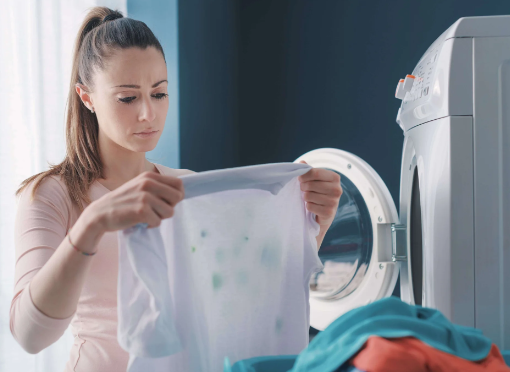
You pull your freshly washed shirt out of the machine, expecting it to look crisp and clean — only to find mysterious white streaks or waxy blotches all over it. Sound familiar? You're not alone.
Detergent stains are one of the most common (and most frustrating) laundry problems. The good news? They're almost always fixable. This guide walks you through exactly why they happen, how to remove them, and how to make sure they never come back.
What Causes Detergent Stains on Clothes?
Before you fix the problem, it helps to understand what's going on. Detergent residue on fabric happens when soap doesn't fully dissolve or rinse away during the wash cycle. Several culprits can be at play:
Using too much detergent — the most common cause by far
Hard water — minerals in hard water react with soap, leaving deposits behind
Overloaded machines — clothes packed too tightly can't move freely, trapping soap in folds
Cold water cycles — powder detergent often won't fully dissolve in cold water
A malfunctioning rinse cycle — if your machine isn't rinsing properly, residue stays put
Understanding the root cause is the first step toward both removal and prevention. Let's dig deeper.
Powder vs. Liquid Detergent — Which Leaves More Residue?
Not all detergents misbehave in the same way. Powder formulas are notorious for causing white streaks on clothing, especially when used with cold water. Liquid detergents are generally more forgiving, but they can still leave behind waxy or greasy marks if you pour too much directly onto fabric.
Washing machine soap buildup is more common with powder detergents because undissolved granules cling to fabric creases and machine components alike. Here's a side-by-side comparison:
| Factor | Powder Detergent | Liquid Detergent |
|---|---|---|
| Residue Risk | High (especially in cold water) | Low–Moderate |
| Common Stain Appearance | White, chalky streaks | Waxy or greasy spots |
| Best Dissolves In | Warm/hot water | Any temperature |
| Typical Problem Area | Creases, folds, pockets | Concentrated pour spots |
| Ease of Removal | Moderate | Easy |
Signs You're Using Too Much Detergent
Many people assume more soap equals cleaner clothes. In reality, overdosing creates a cycle of buildup that actually makes your laundry less clean. Here's a quick self-check:
Your clothes feel stiff or crunchy after drying
You notice visible white streaks on clothing, especially dark items
Freshly washed laundry has a musty or sour smell
You see excessive suds during the wash cycle
Your towels have lost their absorbency
If two or more of these sound familiar, you're almost certainly using too much detergent.
Step-by-Step Methods to Remove Detergent Stains from Clothes
Now for the part you've been waiting for. Below are five proven methods, ranked from simplest to most intensive. Pick the one that matches your situation.
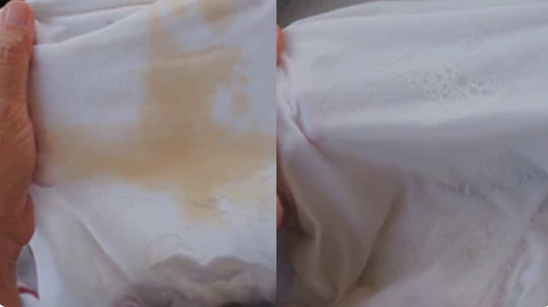
Method 1 — The Simple Warm Water Re-Wash
This is your first line of defense and works beautifully for fresh, light residue. Simply place the stained garment back in the washing machine without adding any detergent.
Select the longest rinse cycle available and use warm water. The extended rinse cycle tips the odds in your favor by giving the water more time to flush out trapped soap. For extra effectiveness, reduce the load size so water can circulate freely around the garment.
Method 2 — White Vinegar Soak
White vinegar is a laundry superhero. Its mild acidity breaks down soap residue without harming fabric fibers or colors.
Mix one part white vinegar with three parts warm water in a basin or clean sink
Submerge the stained garment and let it soak for 15–30 minutes
Gently agitate the fabric with your hands every few minutes
Run the garment through a regular wash cycle (with a correct dose of detergent this time)
This method is the most versatile fix in your toolkit. It tackles moderate buildup and also helps eliminate that musty smell caused by trapped soap.
Method 3 — Rubbing Alcohol for Greasy Detergent Spots
Liquid detergent stains often appear as shiny, waxy patches rather than white streaks. Rubbing alcohol cuts through this greasy residue effectively.
Lay the garment flat on a clean towel
Dampen a clean cloth with rubbing alcohol (isopropyl alcohol, 70%)
Dab — don't rub — the stained area gently
Let it sit for about 10 minutes
Launder as normal
This method is especially useful for dark and black fabrics where greasy marks are most visible.
Method 4 — Dish Soap + Warm Water Spot Treatment
It might seem ironic to fight soap with soap, but clear dish soap works differently than laundry detergent. It's formulated to cut through residue without leaving its own behind.
Apply a tiny drop of clear, dye-free dish soap directly to the stain
Gently work it into the fabric with your fingertip
Rinse the area thoroughly under warm running water
Check the spot — repeat if needed, then machine wash
This is your go-to method when someone accidentally poured concentrated detergent straight onto clothing.
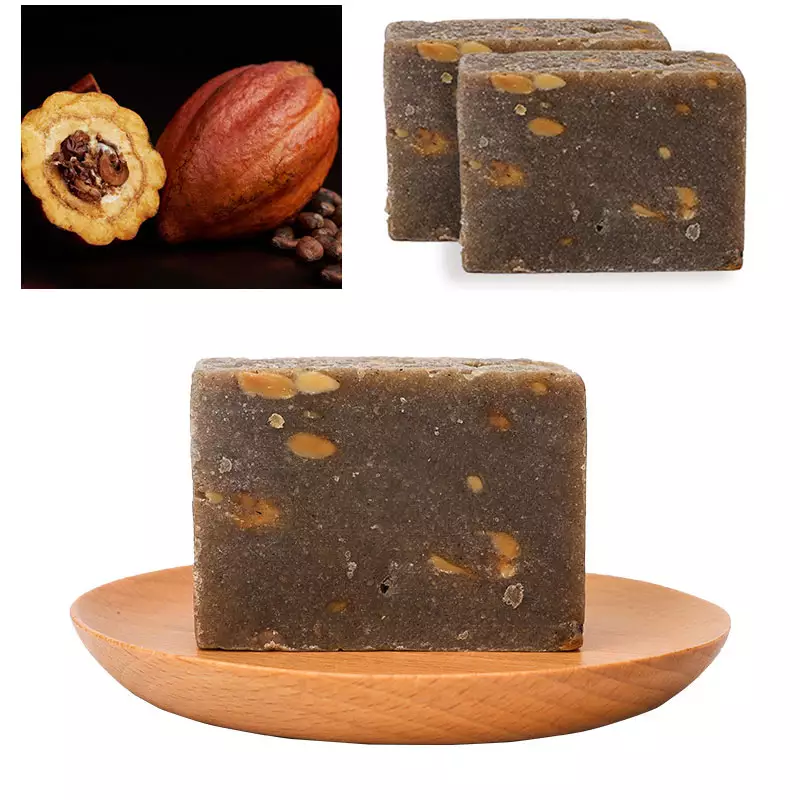
Method 5 — Bar Soap Rub for Stubborn Residue
For heavy, set-in detergent residue on fabric that has survived multiple washes, a plain white bar soap provides gentle abrasive action.
Dampen the stained area with warm water
Rub a plain white bar soap (unscented, no moisturizers) directly over the stain
Gently hand-scrub the fabric against itself
Rinse and inspect, then machine wash on a warm cycle
Avoid this method on delicate fabrics — it's best suited for cotton, linen, and durable blends.
Quick Method Selector
Not sure which method to try? Use this table to find your best match:
| Method | Best For | Time Needed | Difficulty |
|---|---|---|---|
| Warm Water Re-Wash | Light/fresh residue | 30–60 min | Easy |
| White Vinegar Soak | Moderate buildup | 45–90 min | Easy |
| Rubbing Alcohol | Greasy liquid detergent spots | 20–30 min | Easy |
| Dish Soap Spot Treatment | Concentrated spills | 15–20 min | Easy |
| Bar Soap Rub | Heavy, set-in stains | 20–40 min | Moderate |
How to Prevent Detergent Stains in the First Place
The best laundry stain removal methods are the ones you never have to use. A few simple habit changes can eliminate detergent stains from your life entirely.
Measure Your Detergent Correctly
This is the single most impactful change you can make. Use the measuring cap or scoop that came with your detergent, and follow the manufacturer's guidelines — not your gut feeling.
If you have a high-efficiency (HE) machine, you need even less detergent than you think. HE machines use less water, so standard doses create excessive suds and residue. Look for the "HE" symbol on your detergent bottle and use the recommended HE dose.
Don't Overload the Washing Machine
We've all been guilty of stuffing one more towel or pair of jeans into an already-full drum. But overloading prevents proper water circulation. Clothes can't move freely, soap gets trapped in fabric folds, and washing machine soap buildup becomes inevitable.
A good rule of thumb: fill the drum about three-quarters full, leaving room for clothes to tumble.
Use the Right Water Temperature
Match your detergent type to your water temperature. As the comparison table above shows, powder detergent needs warm or hot water to dissolve completely. If you prefer cold-water washing, switch to a liquid formula or look for a powder specifically designed for cold cycles.
Clean Your Washing Machine Monthly
Your washing machine needs a bath too. Over time, detergent residue, fabric softener, and mineral deposits build up inside the drum, hoses, and gaskets. This hidden grime can transfer onto fresh loads.
Once a month, run an empty hot cycle with two cups of white vinegar or a commercial machine cleaner. It takes minimal effort and makes a noticeable difference.
Special Fabric Considerations
Different fabrics react differently to both detergent residue and removal techniques. Here's what to keep in mind for common fabric types.
Delicates and Silk
Stick to the vinegar soak method only — never rub, scrub, or use alcohol on delicate fabrics. Use a diluted solution (one part vinegar to four parts cool water) and soak for no more than 15 minutes. Always air dry delicates; the heat from a dryer can set residue permanently.
Dark and Black Clothing
White streaks on clothing are most painfully visible on dark fabrics. To prevent them, turn garments inside out before washing and use liquid detergent exclusively. If streaks do appear, the rubbing alcohol method works well without fading color.
Activewear and Synthetics
Synthetic fibers like polyester, nylon, and spandex have a tendency to trap detergent residue in their tightly woven structure. Use about half the recommended detergent dose for activewear loads, and always add an extra rinse cycle. This simple adjustment is one of the most effective rinse cycle tips for athletic clothing.
Frequently Asked Questions (FAQ)
Can detergent stains become permanent?
Rarely. Most detergent residue washes out with the right method. However, if you put stained clothes in the dryer, the heat can "set" the residue into the fibers, making removal much harder. Always air dry or check garments before using the dryer.
Does vinegar damage colored clothes?
White vinegar is color-safe when used at diluted concentrations. It's actually gentler than many commercial stain removers. That said, always do a quick spot-test on an inner seam or hidden area before soaking the entire garment, just to be safe.
Why do my clothes still have white streaks after rewashing?
There are a few likely causes. You may have added detergent again out of habit, overloaded the drum so the rinse couldn't work properly, or your machine itself has soap buildup that's transferring onto clothes. Try a detergent-free re-wash with a reduced load, and run a machine cleaning cycle as described above.
Is it better to use pods instead of liquid or powder to avoid stains?
Pods do reduce the risk of overdosing since each one is pre-measured. However, they can still leave residue if placed on top of clothes instead of at the bottom of the drum. Always drop the pod into the empty drum before adding your laundry for best results.
Can I use baking soda to remove detergent stains?
Yes! Make a paste with baking soda and a small amount of water, then gently apply it to the stained area. Let it sit for 10–15 minutes — the mild abrasive action helps lift stubborn residue. Rinse thoroughly by hand before tossing the garment into the washing machine.
Key Takeaways
Correct detergent dosing prevents most stains — when in doubt, use less rather than more
White vinegar is your most versatile fix — it dissolves residue, is color-safe, and costs almost nothing
Never put stained clothes in the dryer — heat sets residue into fabric, making it much harder to remove
Monthly machine cleaning eliminates hidden buildup — run an empty hot cycle with vinegar to keep your washer fresh
Match your detergent type to your water temperature — powder needs warm water; liquid works at any temp
Bookmark the method selector table above — it'll save you time the next time detergent strikes
Detergent stains might be annoying, but they're one of the easiest laundry problems to solve. With the right method and a few preventive habits, your clothes will come out of the wash looking exactly the way they should — clean, fresh, and streak-free.