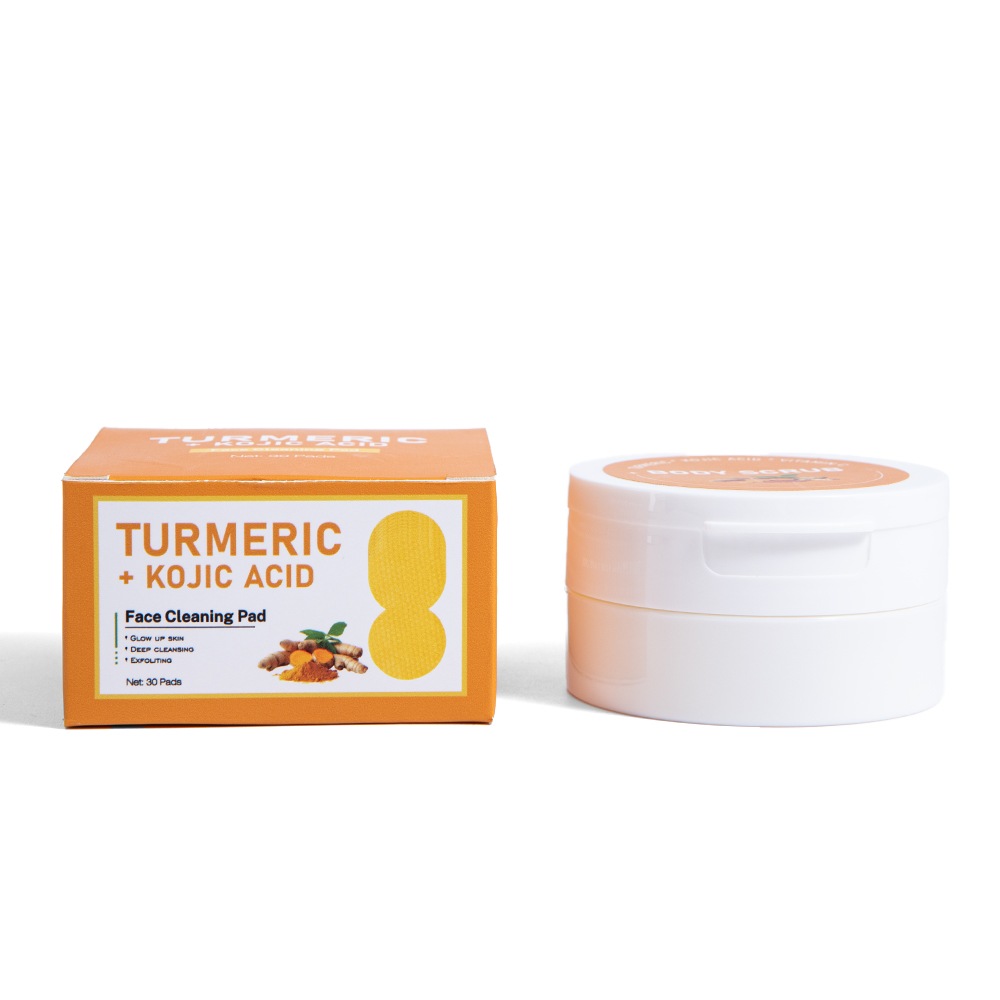
Few ingredients in the world of dermatology have earned as much attention for their ability to address uneven skin tone as kojic acid. Derived from natural fermentation processes, this tyrosinase inhibitor has become a cornerstone in hyperpigmentation treatment protocols worldwide—offering a gentler alternative to harsher chemical agents while delivering clinically meaningful results.
Whether you're dealing with melasma, age spots, or post-acne marks, understanding how this melanin inhibitor works can help you make informed decisions about your skincare routine. This comprehensive guide covers everything from the science behind its mechanism to practical usage tips and safety considerations.
What Is Kojic Acid?
Origin and Production
Kojic acid is a naturally occurring organic compound produced as a byproduct of fungal fermentation, specifically by the mold Aspergillus oryzae. This same organism plays a central role in the production of sake, soy sauce, miso, and rice wine—foods that have been staples of Japanese cuisine for centuries.
The compound was first identified by Japanese scientists in 1907 and has since been extensively studied for its skin brightening properties. Modern production involves controlled fermentation of carbohydrate-rich substrates, yielding pharmaceutical-grade kojic acid suitable for topical formulations.
How Kojic Acid Works as a Tyrosinase Inhibitor
The mechanism of action is elegantly specific. Kojic acid functions by chelating (binding to) copper ions within the active site of the tyrosinase enzyme. Since tyrosinase requires copper to catalyze the conversion of tyrosine to melanin, removing these copper ions effectively halts melanin production at the cellular level.
This makes kojic acid a true melanin inhibitor—it doesn't bleach existing pigment but rather prevents new melanin from being synthesized. Over time, as pigmented skin cells naturally shed through the skin's turnover cycle, darker areas gradually lighten and even out.
Unlike some alternatives that affect melanocyte viability, kojic acid leaves the pigment-producing cells intact and healthy. It simply modulates their output, which contributes to its favorable safety profile for long-term use.
Chemical Properties and Stability
| Property | Detail |
|---|---|
| Chemical Formula | C₆H₆O₄ |
| Molecular Weight | 142.11 g/mol |
| pH Stability Range | 4.0–5.0 |
| Solubility | Water-soluble |
| Effective Concentration | 1%–4% |
| Shelf Life (typical formulation) | 6–12 months (degrades with light/air exposure) |
| Derivative (enhanced stability) | Kojic Acid Dipalmitate |
One of the primary challenges with kojic acid in formulation is its instability. The compound oxidizes readily when exposed to air and light, turning from white/cream to brown or orange. This is why many manufacturers now use kojic acid dipalmitate—a lipid-soluble derivative that resists oxidation while converting back to active kojic acid upon skin contact.
Benefits of Kojic Acid for Skin
Hyperpigmentation Treatment
The primary clinical application of kojic acid is the treatment of hyperpigmentation in its various forms. Research has demonstrated its efficacy against melasma, solar lentigines (age spots), sun damage, and post-inflammatory hyperpigmentation (PIH) from acne or injury.
Clinical studies have shown visible reduction in dark spots within 4 to 12 weeks of consistent use, with optimal results typically observed at the 8-week mark. A split-face trial published in dermatological literature found that kojic acid formulations at 2% concentration produced statistically significant lightening compared to placebo, with results comparable to 2% hydroquinone in some parameters.
The gradual nature of results is actually a safety advantage—it indicates that the skin lightening process is occurring through natural melanin regulation rather than aggressive chemical action.
Skin Lightening and Evening Skin Tone
Beyond treating specific dark spots, consistent use of kojic acid promotes overall skin brightening and a more uniform complexion. This makes it valuable not only for corrective purposes but also for preventive maintenance against future pigmentation irregularities.
Unlike hydroquinone, which carries a risk of paradoxical darkening (ochronosis) with prolonged use, kojic acid can be used in longer treatment cycles. Many dermatologists recommend it as a maintenance ingredient after achieving initial results with more aggressive therapies.
Antioxidant and Antimicrobial Properties
Lesser-known benefits of kojic acid extend beyond pigmentation control. The compound demonstrates free radical scavenging activity, helping to neutralize oxidative stress that contributes to premature aging and cellular damage.
Additionally, research has identified antibacterial properties against common skin pathogens. This antimicrobial activity makes kojic acid soap particularly useful for individuals dealing with both hyperpigmentation and acne-prone skin, as it can address bacterial proliferation while simultaneously working on dark marks.
Anti-Aging Support
Photodamage—the cumulative effect of UV exposure—manifests as both pigmentation irregularities and textural changes. By addressing the pigmentation component, kojic acid helps reduce the visual markers of photoaging, contributing to a more youthful overall appearance.
When combined with antioxidants like vitamin C, the anti-aging benefits are amplified through complementary mechanisms: melanin regulation plus collagen protection and free radical neutralization.
Common Forms and Products
Kojic Acid Soap
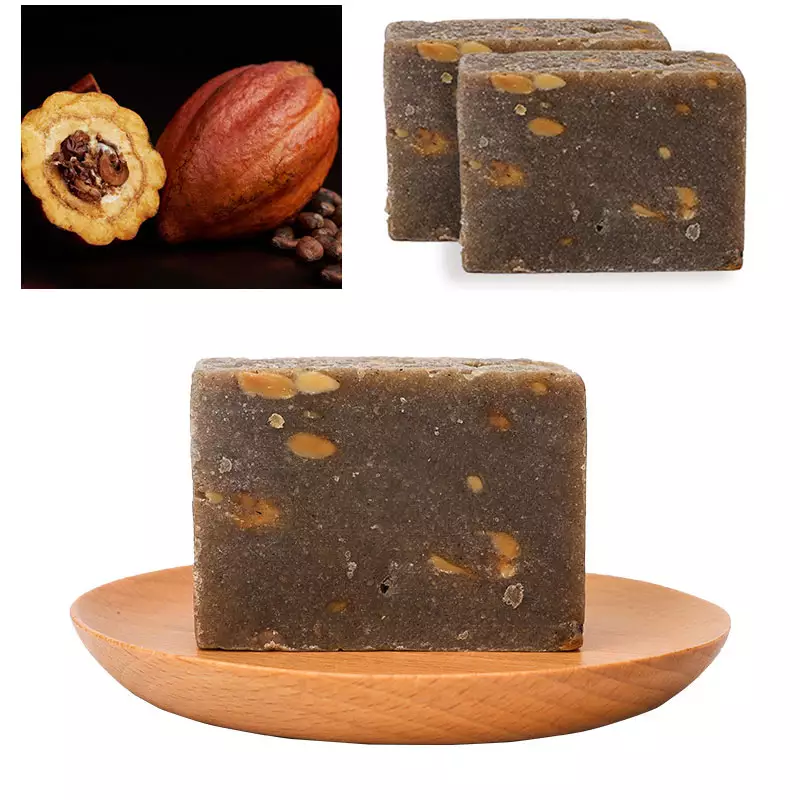
Among the most popular delivery systems worldwide, kojic acid soap offers an accessible and straightforward way to incorporate this skin brightening agent into daily routines. These bar soaps are typically formulated with concentrations between 1% and 2.5%, designed for use on both the face and body.
The wash-off format provides a gentler introduction compared to leave-on treatments, making it ideal for beginners or those with sensitive skin. For best results, users should lather the soap and leave it on the skin for 30 to 60 seconds before rinsing—long enough for the active ingredient to interact with the skin surface without causing excessive irritation.
Results from kojic acid soap typically appear more gradually than from serums or creams, given the shorter contact time. Most users report noticeable improvement in skin tone within 6 to 12 weeks of consistent use.
Choosing the Right Kojic Acid Soap
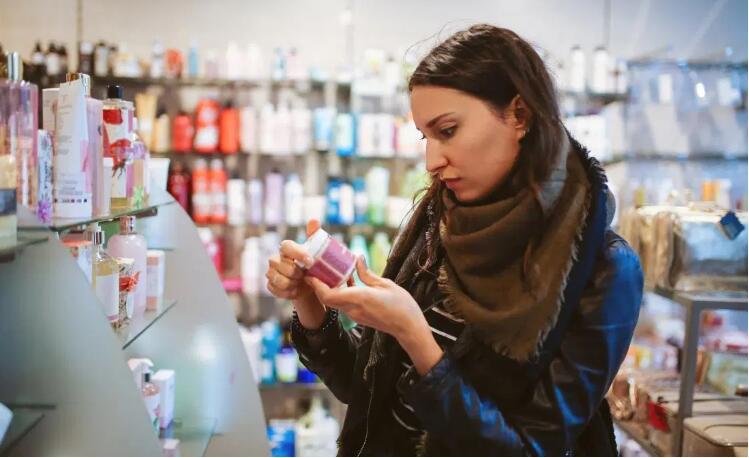
Not all formulations are created equal. When selecting a product, consider these key factors:
- Concentration percentage: Look for products clearly stating 1%–2.5% kojic acid content
- Complementary ingredients: Glutathione, papaya enzymes, and vitamin E enhance brightening efficacy
- pH level: The soap should maintain a pH between 4.0 and 5.5 for optimal activity
- Absence of harsh additives: Avoid products with high concentrations of sodium lauryl sulfate or artificial fragrances
- Packaging: Opaque wrappers help preserve potency; avoid soaps that have turned dark brown
Serums and Creams
Leave-on treatments deliver higher effective doses of kojic acid directly to problem areas. Serums typically contain 1%–4% concentration and are applied to clean skin before moisturizer, allowing extended contact time for deeper penetration.
These targeted formulations are particularly effective for stubborn hyperpigmentation that hasn't responded to wash-off products alone. They work best when applied to specific areas of concern rather than the entire face, reducing the risk of over-lightening surrounding skin.
Combination Formulations
Modern skincare science has demonstrated that combining multiple brightening agents often produces superior results compared to single-ingredient approaches. Synergistic pairings include:
- Kojic acid + Vitamin C: Dual-pathway melanin suppression plus antioxidant protection
- Kojic acid + Arbutin: Two tyrosinase inhibitors with complementary mechanisms
- Kojic acid + Niacinamide: Melanin transfer inhibition plus barrier strengthening
- Kojic acid + Glycolic acid: Enhanced penetration through gentle exfoliation
- Kojic acid + Glutathione: Popular combination in Asian skincare for comprehensive brightening
Kojic Acid vs. Other Skin Brightening Agents
Understanding how kojic acid compares to other options helps inform treatment decisions. The following table provides a comprehensive comparison of the most commonly used ingredients in hyperpigmentation treatment:
| Ingredient | Mechanism | Efficacy | Side Effect Risk | Prescription Required |
|---|---|---|---|---|
| Kojic Acid | Tyrosinase inhibitor (copper chelation) | Moderate–High | Low–Moderate | No |
| Hydroquinone (2%) | Tyrosinase inhibitor (direct) | High | Moderate–High | No (OTC) / Yes (4%+) |
| Arbutin | Tyrosinase inhibitor (slow release) | Moderate | Low | No |
| Vitamin C | Antioxidant, melanin reduction | Moderate | Low | No |
| Azelaic Acid | Tyrosinase inhibitor, anti-inflammatory | Moderate–High | Low | No (OTC) / Yes (15%+) |
| Tranexamic Acid | Plasminogen pathway disruption | Moderate–High | Low | No |
| Retinoids | Cell turnover acceleration | High | Moderate–High | Varies |
Kojic acid occupies a favorable middle ground: strong enough to produce meaningful clinical results, yet gentle enough for long-term use without the serious risks associated with hydroquinone or high-strength retinoids. Its over-the-counter availability also makes it accessible without a prescription in most countries.
How to Use Kojic Acid Safely
Recommended Concentrations and Application Frequency
For those new to this ingredient, starting at 1% concentration is advisable, particularly for sensitive skin types. Most commercially available products range from 1% to 4%, with higher concentrations reserved for experienced users or short-contact formulations like cleansers.
Begin with application every other day for the first two weeks, then gradually increase to daily use if no adverse reactions occur. For wash-off products like soap, daily use from the outset is generally well-tolerated due to the brief contact time.
Patch Testing Protocol
Before incorporating any new active ingredient into your routine, a proper patch test is essential:
- Apply a small amount of product to the inner forearm or behind the ear
- Leave on for 24 hours without washing the area
- Monitor for redness, itching, swelling, or burning sensations
- If no reaction occurs after 24–48 hours, proceed with facial application on a small test area
- Wait an additional 48 hours before full-face application
Sunscreen Is Non-Negotiable
Any ingredient that inhibits melanin production simultaneously reduces your skin's natural photoprotection. Using kojic acid without adequate sun protection is not only counterproductive—it can worsen hyperpigmentation through rebound melanin production triggered by UV exposure.
Apply a broad-spectrum sunscreen of SPF 30 or higher every morning, reapplying every two hours during extended sun exposure. This single step can make the difference between successful treatment and frustrating lack of progress.
Who Should Avoid Kojic Acid
While generally safe for most skin types, certain individuals should exercise caution or avoid kojic acid entirely:
- Broken or compromised skin: Open wounds, active eczema flares, or sunburned skin
- History of contact dermatitis: Those with known sensitivity to kojic acid or related compounds
- Extremely sensitive or reactive skin: Consider lower concentrations or alternatives like arbutin
- Pregnancy and breastfeeding: Limited safety data exists; consult a dermatologist before use
Side Effects and Precautions
Common Side Effects
| Side Effect | Frequency | Severity | Management |
|---|---|---|---|
| Contact dermatitis | Common (sensitive skin) | Mild–Moderate | Reduce frequency, buffer with moisturizer |
| Redness/Irritation | Common (initial use) | Mild | Gradual introduction |
| Increased sun sensitivity | Universal | Moderate | Daily SPF application |
| Dryness/Peeling | Occasional | Mild | Hydrating ingredients, reduce concentration |
| Allergic reaction | Rare | Moderate–Severe | Discontinue immediately |
Most side effects are self-limiting and resolve with reduced application frequency or temporary discontinuation. If symptoms persist beyond one week after stopping use, consult a dermatologist for evaluation.
Long-Term Safety Considerations
One of kojic acid's significant advantages over hydroquinone is the absence of ochronosis risk—a paradoxical permanent darkening and thickening of the skin that can occur with prolonged hydroquinone use. No cases of ochronosis have been attributed to kojic acid in the medical literature.
Long-term studies have not identified cumulative toxicity concerns at standard cosmetic concentrations. However, periodic breaks (such as using the product for 3 months, then taking 1 month off) may help maintain skin tolerance and prevent sensitization in reactive individuals.
The Science: Key Research Findings
Clinical Studies on Efficacy
Multiple peer-reviewed studies support kojic acid's role as an effective hyperpigmentation treatment. Split-face trials comparing kojic acid to hydroquinone have demonstrated comparable efficacy for mild to moderate melasma, with kojic acid showing a more favorable side effect profile.
Combination therapy research has been particularly promising. Studies examining kojic acid paired with glycolic acid showed enhanced penetration and faster onset of visible results compared to either ingredient alone. Similarly, formulations combining kojic acid with vitamin C and arbutin demonstrated synergistic brightening effects exceeding the sum of individual ingredient contributions.
Research published in dermatological journals has consistently demonstrated that kojic acid at 2% concentration produces clinically significant improvement in melanin index scores after 8 weeks of twice-daily application, with continued improvement through week 12.
Regulatory Status Worldwide
| Region | Regulatory Status | Max Allowed Concentration |
|---|---|---|
| United States (FDA) | Cosmetic ingredient (OTC) | No set limit (typically 1%–4%) |
| European Union | Permitted in cosmetics | 1% (recommended) |
| Japan | Approved cosmetic brightener | 2% |
| Philippines | Widely available OTC | 1%–2.5% (soaps) |
| Australia (TGA) | Cosmetic ingredient | No set limit |
The widespread regulatory acceptance across major markets reflects the ingredient's established safety record. Japan, where kojic acid was first discovered and has the longest history of use, maintains it as an approved quasi-drug ingredient for skin brightening purposes.
How to Build a Routine with Kojic Acid
Morning Routine Integration
- Cleanser: Gentle, pH-balanced cleanser (or kojic acid soap as a wash-off treatment)
- Kojic acid serum: Apply to areas of concern if using a leave-on formulation
- Moisturizer: Hydrating formula to buffer potential irritation
- Sunscreen: Broad-spectrum SPF 30+ — the most critical step
Evening Routine Integration
- Double cleanse: Oil-based cleanser followed by water-based cleanser
- Kojic acid treatment: Serum or cream applied to target areas
- Hydrating serum: Hyaluronic acid or niacinamide for moisture replenishment
- Moisturizer/Occlusive: Seal in hydration and support barrier repair overnight
Ingredients to Pair With (and Avoid)
Synergistic Combinations
- Niacinamide: Strengthens the skin barrier while inhibiting melanin transfer to keratinocytes
- Vitamin C (L-ascorbic acid): Provides antioxidant protection and additional melanin suppression
- Hyaluronic acid: Counterbalances potential dryness with deep hydration
- Glycolic acid: Enhances penetration through gentle exfoliation—use cautiously and not simultaneously
Ingredients to Avoid Combining
- Benzoyl peroxide: Can oxidize and degrade kojic acid, rendering it ineffective
- High-concentration retinoids: Combined use may cause excessive irritation, peeling, and barrier damage
- Multiple strong exfoliants: Layering AHAs, BHAs, and kojic acid simultaneously increases sensitization risk
If you wish to use both kojic acid and retinoids, alternate them on different nights rather than applying both in the same routine.
Frequently Asked Questions (FAQ)
How long does it take for kojic acid to show results?
Most users notice visible improvement in hyperpigmentation within 4 to 12 weeks of consistent use. The timeline depends on the concentration used, the depth and severity of pigmentation, individual skin cell turnover rate, and whether the product is a wash-off or leave-on formulation. Patience and consistency are key—premature discontinuation is the most common reason for perceived treatment failure.
Is kojic acid safe for dark skin tones?
Yes. Unlike some skin lightening agents, kojic acid does not cause paradoxical darkening when used correctly. It works by regulating melanin production rather than destroying melanocytes, making it appropriate for all Fitzpatrick skin types. However, darker skin tones are generally more reactive to topical actives, so patch testing and gradual introduction are especially important. Start with lower concentrations and increase slowly.
Can I use kojic acid soap every day?
Start with 2 to 3 times per week and increase to daily use if no irritation occurs. For optimal results, lather the soap and leave it on the skin for 30 to 60 seconds before rinsing thoroughly. If you experience dryness or tightness, reduce frequency and ensure you follow with a hydrating moisturizer. Body skin generally tolerates daily use more readily than facial skin.
Is kojic acid better than hydroquinone?
Neither is universally superior—the best choice depends on individual circumstances. Hydroquinone is more potent and produces faster results but carries higher risk of side effects including irritation, rebound hyperpigmentation, and ochronosis with prolonged use. Kojic acid is gentler with a stronger long-term safety profile, making it preferable for maintenance therapy, sensitive skin, or individuals in regions where hydroquinone is restricted.
Can I use kojic acid during pregnancy?
Limited safety data exists regarding kojic acid use during pregnancy and breastfeeding. While topical application results in minimal systemic absorption, most dermatologists recommend a cautious approach—either avoiding active skin brightening agents during pregnancy or consulting a healthcare provider before use. Alternatives like vitamin C or azelaic acid (which has pregnancy safety data) may be recommended instead.
Does kojic acid expire or lose potency?
Yes. Kojic acid is inherently unstable and oxidizes when exposed to air and light, causing the product to turn brown or orange. This color change indicates degradation and reduced efficacy. Store products in opaque, airtight packaging away from direct sunlight and heat. Discard any product showing significant discoloration. Most formulations maintain potency for 6 to 12 months after opening.
Can kojic acid remove acne scars?
Kojic acid can effectively fade post-inflammatory hyperpigmentation—the dark marks left behind after acne lesions heal. However, it does not treat textural scarring such as ice pick, boxcar, or rolling scars, which require procedures like microneedling, laser resurfacing, or dermal fillers. For comprehensive acne scar treatment, combining kojic acid (for pigment) with professional procedures (for texture) yields the best outcomes.