If you've ever spotted a flea hopping across your dog's belly, you've probably Googled something desperate at 11 p.m. And chances are, "dish soap kills fleas" popped up as a quick fix. But does it really work? The short answer is yes — with a big asterisk. Let's break down exactly what dish soap can and can't do when it comes to flea treatment for pets, so you can make a smart call for your furry family member.
How Dish Soap Kills Fleas — The Science Behind It
Dish soap isn't some magical flea poison. It works through simple physics and chemistry. The surfactants in dish soap break down the surface tension of water while simultaneously dissolving the thin, waxy coating that covers a flea's exoskeleton.
That waxy layer is what keeps fleas buoyant and waterproof. Without it, they're defenseless against drowning. Think of it as removing a tiny life jacket. This is strictly a contact-kill method — it won't repel future fleas or offer any lasting protection once the bath is over.
Why Dawn Dish Soap Gets All the Attention
Search any pet forum and you'll find Dawn dish soap fleas threads everywhere. There's a reason this specific brand dominates the conversation. Dawn's formula contains powerful grease-cutting surfactants that are more effective at stripping that waxy flea coating than many generic alternatives.
Dawn also earned massive public trust after being used to clean oil-soaked wildlife during major spill disasters. If it's gentle enough for a pelican covered in crude oil, pet owners reason, it should be safe enough for their dog. That logic isn't entirely wrong — but it's not the full picture either.
What Happens to Fleas When Exposed to Soapy Water
Here's the step-by-step of what actually happens when a flea meets soapy water. First, the surfactants in the soap dissolve the protective lipid layer on the flea's exoskeleton. Within seconds, the flea loses its natural water resistance.
Next, the reduced surface tension of the water means the flea can no longer float or push itself to the surface. It sinks. Within two to five minutes of sustained contact, the flea drowns. It's effective but only works on adult fleas that are physically submerged in the solution.
Does Dish Soap Actually Work as a Flea Treatment for Pets?
So we've established that dish soap can kill fleas. But "can it kill them" and "should you rely on it" are two very different questions. The honest answer is that a dish soap bath will remove and kill adult fleas currently living on your pet. That's genuinely useful in a pinch.
However, it offers absolutely zero residual protection. The moment your pet is dry, they're just as vulnerable to new fleas as they were before the bath. It's a reset button, not a shield.
Bathing Your Dog with Dish Soap — What to Expect
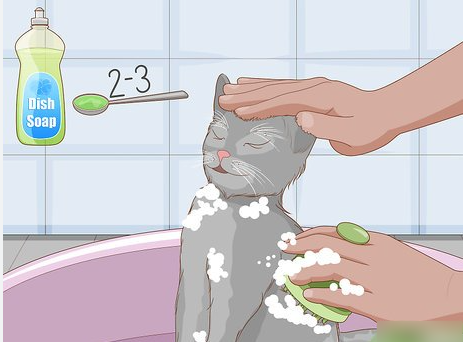
If you're killing fleas on dogs with a dish soap bath, here's what the process looks like. Start by wetting your dog thoroughly with warm water. Apply a generous amount of dish soap and work it into a deep lather, paying special attention to the neck, belly, armpits, and base of the tail — flea hotspots.
Let the lather sit for five to ten minutes. You'll likely see fleas falling off or floating in the water, which is satisfying proof that the method works on contact. Rinse thoroughly, making sure no soap residue remains on the skin. Towel dry and comb through with a flea comb to remove any stragglers.
Limitations Pet Owners Need to Know
Here's where reality sets in. Dish soap does nothing to flea eggs, larvae, or pupae. These life stages make up roughly 95% of a typical flea infestation population. They're embedded in your carpet, your pet's bedding, and the cracks in your floorboards.
Your pet can be reinfested within hours of drying off. New fleas hatch from eggs in the environment and jump right back on. As a standalone flea infestation control method, dish soap simply doesn't cut it. It addresses the symptom without touching the root cause.
Risks of Using Dish Soap on Pets Regularly
Dish soap is designed to cut grease off dinner plates, not to be gentle on animal skin. Regular use strips away the natural oils that keep your pet's coat healthy and their skin moisturized. The result? Dry, flaky, irritated skin that can lead to excessive scratching and even secondary infections.
Cats are particularly sensitive to this. Their skin is thinner and more reactive than dogs'. If you must use dish soap, limit it to a single emergency bath and follow up with a moisturizing pet-safe conditioner. This is not a weekly routine — it's a one-time intervention at most.
The Dish Soap Flea Trap — A Popular Home Hack
Beyond bathing, there's another dish soap trick that circulates online: the flea trap. It's low-tech, cheap, and surprisingly satisfying to check in the morning. The concept is simple — fleas are attracted to light and warmth, and soapy water traps them once they jump toward the source.
This method works as a monitoring tool and can reduce adult flea numbers in your home. But let's be clear about what it is and isn't capable of doing.
How to Set Up a DIY Flea Trap
Grab a shallow dish or plate — a pie tin works great. Fill it with warm water and add a few drops of dish soap. Stir gently to mix without creating bubbles. Place it on the floor near where your pet sleeps or in carpeted rooms where you've noticed flea activity.
Position a desk lamp or small light source directly above the dish, angled downward. Turn it on and leave it overnight with other room lights off. Fleas jump toward the warmth and light, land in the water, and the soap prevents them from escaping. Check the dish each morning and refresh daily.
How Effective Are These Traps Really?
Let's set honest expectations. These traps only catch adult fleas — which represent roughly 5% of the total flea population in an infested home. The other 95% exists as eggs, larvae, and pupae hidden in fibers and crevices where no trap can reach them.
That said, traps are genuinely useful for two things: gauging how severe your infestation is and providing a small but consistent reduction in the breeding adult population. If you're catching dozens of fleas per night, that tells you the problem is serious and you likely need more aggressive intervention.
Natural Flea Remedies — Where Dish Soap Fits in a Bigger Plan
Dish soap is just one tool in the natural flea remedies toolbox. Other popular options include diatomaceous earth (food-grade), apple cider vinegar rinses, certain essential oils like cedarwood or lemongrass, and good old-fashioned flea combs. Each has varying levels of scientific support.
Diatomaceous earth works similarly to dish soap — it damages the flea's exoskeleton — but can be applied to carpets and bedding for environmental control. Apple cider vinegar may make your pet's skin slightly less appealing to fleas but won't kill them. Essential oils carry toxicity risks, especially for cats. Flea combs are labor-intensive but completely safe and immediately effective for removal.
Combining Methods for Better Results
No single natural method will eliminate a flea problem alone. The most effective approach layers multiple strategies together. Start with a dish soap bath for immediate relief and visible flea removal. Then commit to vacuuming daily — this physically removes eggs and larvae from carpets and stimulates pupae to hatch so they can be caught.
Wash all pet bedding, blankets, and removable covers in hot water at least weekly. Apply food-grade diatomaceous earth to carpets, let it sit for 24-48 hours, then vacuum thoroughly. Use a flea comb on your pet daily to catch new arrivals early. Consistency matters more than any single product.
When to Skip DIY and Call a Professional
Natural approaches have their limits. If you're seeing fleas on multiple pets in the household, finding bites on human family members, spotting tiny white larvae in carpet fibers, or still battling the problem after two to three weeks of consistent treatment — it's time to escalate.
A professional pest control service can treat your entire home environment, and a veterinarian can prescribe treatments that break the flea life cycle at every stage. There's no shame in calling for backup. Some infestations are simply too established for DIY methods to resolve.
Dish Soap vs. Veterinary Flea Treatments — A Direct Comparison
Let's put these options side by side honestly. Dish soap costs pennies per bath and kills adult fleas on contact during a single bathing session. It offers zero residual protection and addresses only one life stage. It carries mild skin irritation risks with repeated use.
Veterinary flea treatments — whether topical spot-ons, oral medications, or modern flea collars — cost more upfront but provide weeks or months of continuous protection. They typically contain insect growth regulators that prevent eggs and larvae from developing, plus adulticides that kill fleas that jump onto your pet. The cost-per-day of protection is often surprisingly reasonable.
Why Vets Don't Recommend Dish Soap as Primary Treatment
Veterinarians understand that effective flea infestation control requires breaking the entire life cycle. You need to stop eggs from hatching, prevent larvae from maturing, and kill adults before they can reproduce. Dish soap does exactly one of those things, and only while your pet is physically in the bath.
Prescription and vet-recommended treatments use insect growth regulators (IGRs) and systemic insecticides that remain active in or on your pet for weeks. They kill fleas that bite your pet even days after application. This sustained pressure is what actually collapses a flea population over time. Dish soap simply can't replicate that.
When Dish Soap Makes Sense as a Supplement
Despite its limitations, dish soap has legitimate use cases even alongside veterinary care. It's ideal as a first bath for a heavily infested rescue animal before applying a topical treatment — you want to remove the bulk of the flea load first. It's also useful for stripping an existing topical product when switching between brands, since residue can interfere with new applications.
Some pet owners use a single dish soap bath as an emergency measure when they discover fleas and can't get to the vet until the next day. In these scenarios, it buys you time and provides your pet immediate relief from dozens of biting parasites. Just don't mistake the temporary fix for a permanent solution.
Frequently Asked Questions
Can dish soap kill flea eggs?
No. Flea eggs have a hard protective shell that surfactants cannot penetrate. Dish soap only works on adult fleas whose waxy exoskeleton coating can be dissolved. To address eggs, you need mechanical removal through vacuuming or insect growth regulators that prevent them from developing into larvae.
Is Dawn dish soap safe for puppies and kittens?
For a single bath on animals over eight weeks old, Dawn is generally considered safe. However, very young animals are more vulnerable to skin irritation, temperature stress, and the drying effects of soap. Always consult your veterinarian before bathing puppies or kittens under 12 weeks, and keep them warm throughout the process to prevent hypothermia.
How long do you leave dish soap on a dog to kill fleas?
Five to ten minutes of lather contact time is sufficient for adult fleas to die. The soap needs sustained contact to fully dissolve the waxy coating and allow drowning. Leaving it on longer than ten minutes is unnecessary and increases the risk of skin drying and irritation. Rinse thoroughly afterward.
Can I use dish soap flea traps if I have cats?
Yes, flea traps are completely pet-safe since animals aren't ingesting the soapy water. The only practical concern is placement — put dishes in spots where curious cats or playful dogs won't tip them over and create a mess. Under furniture or in corners works well. The traps work equally effectively regardless of what type of pet you have.
How often can I bathe my dog in dish soap for fleas?
No more than once every two to four weeks, and even that frequency should be temporary. More frequent use damages your dog's skin barrier, strips essential oils, and can lead to chronic dryness, itching, and coat damage. For interim baths between dish soap treatments, use a gentle, pH-balanced pet shampoo instead.
Does dish soap kill fleas instantly?
Not instantly. Fleas typically die within two to five minutes of sustained contact with soapy water. The process requires time for the surfactants to fully break down the protective exoskeleton coating and for the flea to lose buoyancy and drown. A quick splash won't do it — you need full submersion or thorough lathering for the method to work.
Bottom line: Dish soap is a legitimate tool for killing adult fleas on contact, but it's not a flea treatment plan. Use it as one piece of a larger strategy that includes environmental control, consistent cleaning, and — when the situation calls for it — veterinary-grade products that break the flea life cycle for good. Your pet deserves more than a temporary fix.