Making your own dish soap at home sounds like something only crafty Pinterest experts would attempt. But here's the truth — it's surprisingly simple, incredibly affordable, and you probably already have most of what you need in your kitchen pantry.
Whether you want to cut down on plastic waste, avoid mysterious chemicals, or just save a few dollars each month, a homemade liquid soap recipe puts you in full control. Let's walk through everything you need to know, step by step.
Why Make Your Own Dish Soap at Home
The shift toward DIY cleaning products isn't just a trend — it's a practical response to rising costs and growing awareness about what we're bringing into our homes. When you make your own dish soap, you choose every single ingredient that touches your dishes (and ultimately your food).
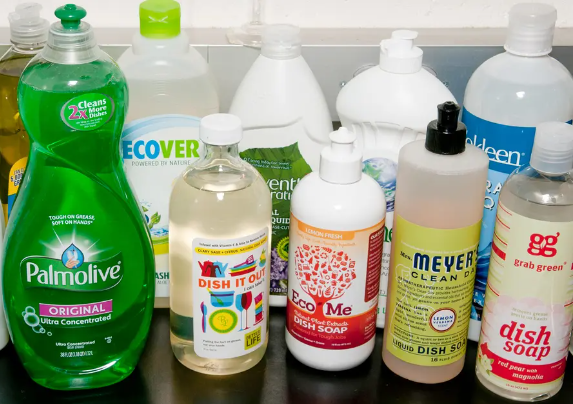
Beyond ingredient control, there's the environmental angle. Every reusable bottle you fill at home is one less plastic container heading to a landfill. And the cost savings add up quickly when a single batch costs less than a cup of coffee.
Store-Bought vs. Homemade Dish Soap
Let's break down how these two options stack up side by side:
| Factor | Store-Bought Dish Soap | Homemade Dish Soap |
|---|---|---|
| Average Cost | $3–$6 per bottle | $0.50–$1.50 per batch |
| Ingredient Transparency | Often contains undisclosed chemicals | Full control over every ingredient |
| Environmental Impact | Plastic packaging, synthetic surfactants | Minimal waste, biodegradable ingredients |
| Customization | Limited scent/formula options | Choose essential oils for cleaning and skin sensitivity |
| Shelf Life | 12–24 months | 1–3 months |
The trade-off is clear: you sacrifice some shelf life in exchange for significant savings, transparency, and environmental responsibility.
Ingredients You Need for Homemade Liquid Soap
One of the best things about making dish soap at home is accessibility. You won't need to hunt down exotic supplies. Most items are available at your local grocery store or can be ordered online with a quick search.
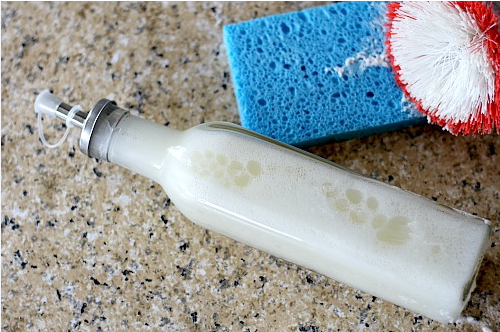
Base Ingredients
Liquid castile soap is the foundation of nearly every reliable homemade liquid soap recipe. Made from vegetable oils (typically olive, coconut, or hemp), a castile soap base cleans effectively without synthetic detergents. It's gentle, biodegradable, and versatile.
Distilled water dilutes the castile soap to an appropriate cleaning concentration. Using distilled rather than tap water prevents mineral buildup and bacterial growth that can shorten your soap's shelf life.
White vinegar or washing soda serves as your grease-cutting booster. These natural cleaning ingredients break down oils and food residue that soap alone might struggle with. Choose one or the other — more on why later.
Optional Add-Ins for Scent and Cleaning Power
Essential oils do double duty in DIY dishwashing detergent. Lemon oil cuts through grease naturally. Tea tree oil offers mild antibacterial properties. Lavender adds a calming scent to an otherwise mundane chore.
For safe dilution, stick to 10–15 drops of essential oils per batch. More isn't better — too much can leave residue on dishes or irritate skin.
Vitamin E oil (a few drops) acts as a natural preservative, helping your soap last closer to that three-month mark. Vegetable glycerin (one teaspoon) improves texture and adds a slight moisturizing quality that's gentle on hands.
Equipment and Supplies Checklist
Measuring cups and spoons
A funnel (saves mess and frustration)
Whisk or long spoon for mixing
Reusable squeeze bottle or pump dispenser (16 oz works well)
Adhesive labels for dating and identifying your batch
How To Make Dish Soap Step By Step (Basic Recipe)
This is the core recipe — simple, reliable, and effective for everyday dish washing. Once you master this, you can experiment with the alternative formulas below.
Step 1 — Prepare Your Workspace and Sterilize Containers
Rinse your bottle or dispenser thoroughly with hot water to remove any residue from previous use. If it's brand new, a hot rinse still helps remove manufacturing dust.
Gather all your ingredients and tools in one spot. This prevents the scramble of searching for something mid-pour with soapy hands.
Step 2 — Measure and Combine the Castile Soap Base
Pour 1 cup of liquid castile soap into your clean container. Unscented works best if you plan to add your own essential oils for cleaning — otherwise, pre-scented varieties like peppermint castile work beautifully on their own.
Use your funnel to avoid spills. Castile soap is concentrated, so precision matters more than you'd think.
Step 3 — Add Distilled Water
Slowly pour 1 cup of distilled water into the container with the castile soap base. The keyword here is "slowly" — pouring too fast creates a mountain of foam that takes forever to settle.
Distilled water is non-negotiable for this homemade liquid soap recipe. Tap water contains minerals and microorganisms that can cause your soap to spoil faster or develop an unpleasant smell within weeks.
Step 4 — Mix In Your Grease-Cutting Booster
Add 1 tablespoon of washing soda dissolved in a small amount of warm water. This dramatically improves your soap's ability to cut through cooking oils and baked-on food.
Important chemistry note: If you prefer vinegar as your grease cutter, do NOT mix it directly with castile soap. Vinegar is acidic and castile soap is alkaline — combining them causes the soap to curdle into a white, clumpy mess. If you want vinegar's degreasing power, use it as a separate rinse after washing with your castile-based soap.
Step 5 — Add Essential Oils for Cleaning and Fragrance
Drop in 10–15 drops of your chosen essential oils. Here are the best options for dish soap:
Lemon: Natural degreaser with a fresh, clean scent
Tea tree: Antibacterial properties, slightly medicinal smell
Lavender: Gentle and calming, great for sensitive noses
Sweet orange: Excellent grease cutter with a cheerful aroma
You can combine oils too — 8 drops of lemon with 5 drops of lavender makes a lovely everyday blend.
Step 6 — Shake Gently and Label Your Bottle
Cap your bottle and turn it end-over-end a few times rather than shaking vigorously. Gentle mixing blends everything without creating a sudsy explosion inside the container.
Grab a label and write the date you made it, plus a quick ingredient list. This helps you track shelf life and remember which recipe variation you used (especially once you start experimenting).
Alternative DIY Dishwashing Detergent Recipes
The basic recipe handles everyday dishes perfectly. But sometimes you need extra muscle — or extra gentleness. Here are two variations using different natural cleaning ingredients.
Super Degreaser Recipe (For Tough, Baked-On Messes)
When you're facing lasagna pans and cast iron with caked-on residue, this stronger formula steps up:
| Ingredient | Amount |
|---|---|
| Sal Suds | 2 tablespoons |
| Washing Soda | 1 tablespoon |
| Distilled Water | 2 cups |
| Lemon Essential Oil | 10 drops |
Sal Suds (made by Dr. Bronner's) is technically a detergent rather than a soap, which means it's compatible with vinegar and handles hard water better. Dissolve the washing soda in warm water first, then combine everything in your dispenser.
Gentle Formula for Sensitive Skin
If anyone in your household deals with eczema, contact dermatitis, or general skin sensitivity, this milder homemade liquid soap recipe is your best bet:
1 cup unscented castile soap base
1 cup distilled water
1 tablespoon aloe vera gel
1 teaspoon vegetable glycerin
Skip the essential oils entirely, or use only 5 drops of lavender
The aloe vera and glycerin protect skin while the castile soap does the cleaning work. It won't degrease as aggressively, but it's perfectly effective for standard meal cleanup.
Tips for Getting the Best Results From Homemade Dish Soap
Why Homemade Soap Produces Less Suds (And Why That's Fine)
This surprises most first-timers. Your DIY dishwashing detergent won't foam up like the commercial stuff — and that's completely normal. Commercial soaps use synthetic foaming agents (like sodium lauryl sulfate) to create bubbles that make you feel like it's working.
Cleaning power comes from surfactants breaking the bond between grease and your dishes, not from bubbles. Your homemade version cleans just as effectively — your brain just needs a week to stop associating suds with clean.
How To Store Your DIY Dish Soap Properly
Keep your soap away from direct sunlight, which can degrade essential oils and shorten shelf life. A spot next to your sink (but not in a sunny window) works perfectly.
Use your batch within 1–3 months. Give the bottle a quick shake before each use — natural separation is normal and doesn't mean your soap has gone bad. If it develops an off smell or visible mold, discard it and make a fresh batch.
Adjusting Consistency and Strength
Too thin? Dissolve a pinch of table salt (about ¼ teaspoon) in warm water and add it to your soap. Alternatively, a small amount of xanthan gum creates a thicker gel texture.
Too thick? Simply add more distilled water, a tablespoon at a time, until you reach your preferred consistency.
Need more grease-cutting power for heavy cooking? Increase the washing soda to 1.5 tablespoons, or pre-soak dishes in hot water with a splash of vinegar before washing.
Common Mistakes To Avoid When Making Dish Soap
Even simple recipes have pitfalls. Here are the errors that trip up most beginners:
Mixing vinegar directly with castile soap: This is the number-one mistake. The acid-base reaction creates a curdled, oily mess that won't clean anything. Use one or the other, not both in the same bottle.
Using tap water: Minerals in tap water react with soap molecules and can cause cloudiness, shortened shelf life, and reduced cleaning effectiveness.
Adding too much essential oil: More than 20 drops per batch can leave oily residue on dishes and may irritate skin. Stick to 10–15 drops.
Using non-food-safe containers: Repurpose only containers rated for food or cleaning products. Random plastic bottles may leach chemicals into your soap over time.
Expecting identical performance to commercial soap: Homemade soap works differently — less suds, gentler action. Give yourself a two-week adjustment period before deciding it's not working.
Frequently Asked Questions
Is homemade dish soap safe for septic systems?
Yes. Natural cleaning ingredients like castile soap are fully biodegradable and septic-safe. Unlike many commercial detergents that contain phosphates and synthetic compounds, a homemade liquid soap recipe breaks down naturally without disrupting the bacterial balance in your septic tank.
Can I use homemade dish soap in a dishwasher?
No — these recipes are designed for hand-washing only. Dishwashers require specialized low-suds formulas. Even the relatively low foam from castile-based soap can cause overflow, leave residue on dishes, and potentially damage your machine over time.
How long does DIY dishwashing detergent last?
Typically 1–3 months when stored in a cool, dark spot. Adding a few drops of vitamin E oil acts as a natural preservative and can push shelf life toward the longer end. A tiny amount of rubbing alcohol (one teaspoon) also helps prevent bacterial growth without affecting cleaning performance.
Will homemade dish soap kill bacteria?
All soap — homemade or commercial — works by mechanically lifting bacteria off surfaces so water can rinse them away. Adding tea tree essential oil provides mild antibacterial properties, but it's not a registered disinfectant. For standard kitchen hygiene, proper washing technique (soap plus warm water plus friction) is what matters most.
Can I use this homemade liquid soap recipe for other cleaning tasks?
Absolutely. Diluted further (a tablespoon per spray bottle of water), it works as a general-purpose surface cleaner. It's also gentle enough for hand-washing delicate fabrics and cleaning makeup brushes. The castile soap base makes it incredibly versatile across your home.
Final Thoughts on Making Your Own Dish Soap
Making dish soap at home isn't complicated, expensive, or time-consuming. With a castile soap base, distilled water, and a few optional add-ins, you can produce an effective, eco-friendly cleaning solution in under five minutes.
Start with the basic recipe above. Use it for a couple of weeks to get comfortable with how homemade soap feels and performs. Once you've adjusted, experiment with different essential oils for cleaning, try the super degreaser for tough jobs, or customize a gentle formula for sensitive hands.
The long-term payoff is real — less plastic waste, fewer mystery chemicals on your dishes, and noticeable savings over months of use. Your first batch is waiting. Grab that castile soap and give it a try tonight.