You've probably found a forgotten bar of soap tucked in the back of a closet or noticed that bottle of hand soap under the sink looks a little… off. It raises a question most of us never think to ask: does soap actually go bad?
The answer might surprise you. Both bar soap and liquid soap have shelf lives that affect how well they clean, how they smell, and in some cases, whether they're still safe to use. Let's break it all down so you know exactly what to keep, what to toss, and how to make your soap last as long as possible.
Does Soap Actually Expire?
The Short Answer
Yes — soap degrades over time. While it rarely becomes dangerous in the way expired food might, it absolutely loses its effectiveness, scent, and ability to produce a satisfying lather.
The typical soap shelf life depends on the type. Most commercial bar soaps remain effective for two to three years from the manufacturing date. Liquid soaps generally have a shorter window, lasting one to two years before they start declining in quality.
That said, "expired" soap won't suddenly stop working the day after itsbest-by date. It's a gradual decline — think of it like a slow fade rather than a sudden switch.
Why Soap Expires
Several factors cause soap to degrade over time. Understanding them helps you make smarter decisions about storage and usage.
Oils and fats go rancid. Soap is made from fats and oils. Over time, these components oxidize — especially in natural and handmade soaps that use plant-based oils like olive or coconut oil.
Fragrances evaporate. Essential oils and synthetic fragrances are volatile compounds. They break down and dissipate, which is why old soap often smells faint or slightly "off."
Preservatives lose potency. Liquid soaps rely on preservatives to prevent bacterial and fungal growth. These chemicals degrade over time, leaving the product vulnerable to contamination.
Moisture accelerates everything. Exposure to humidity and water speeds up every degradation process, from rancidity to microbial growth. This is why bar soap storage tips always emphasize keeping things dry.
How to Tell If Your Soap Has Expired
Signs in Bar Soap
Bar soap gives you several visual and sensory clues that it's past its prime:
- Orange or brown spots — These are known as "dreaded orange spots" (DOS) in the soap-making community. They indicate rancid oils and are the clearest sign your soap has turned.
- Faded or off-putting smell — If your lavender bar now smells like old crayons, the fragrance has broken down and the base oils may be going rancid.
- Dry, cracked, or crumbly texture — While some drying is normal with age, excessive cracking means the soap has lost too much moisture to perform well.
- Reduced lather — If you're scrubbing away and barely getting any bubbles, the surfactants have degraded significantly.
Signs in Liquid Soap
Liquid soap shows different warning signs:
- Separation or unusual consistency — If the soap looks layered, clumpy, or watery, the emulsion has broken down.
- Color changes — Darkening, fading, or yellowing often signals chemical degradation.
- Sour or chemical smell — A sharp, unpleasant odor means the preservatives have failed and bacteria may be present.
- Mold growth around the pump or cap — This is a clear sign to discard the product immediately. Mold indicates bacterial contamination throughout the bottle.
Is Expired Soap Safe to Use?
Let's address expired soap safety directly: in most cases, using an old bar of commercial soap won't harm you. The basic cleansing agents (surfactants) remain functional long after the fragrance fades and the texture changes.
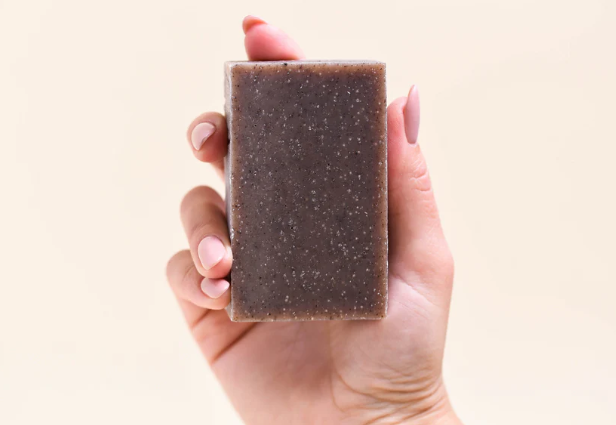
However, there are important exceptions. Soaps containing active ingredients — such as antibacterial agents like triclosan, medicated compounds for acne or eczema, or antifungal treatments — should be discarded after their expiration date. These active ingredients lose potency, meaning the soap won't deliver the therapeutic benefit you're counting on.
Natural and handmade soaps with rancid oils can irritate sensitive skin, potentially causing redness, itching, or mild allergic reactions. If you notice those orange spots or a strong rancid smell, it's best to toss it.
And any soap — bar or liquid — showing visible mold should go straight in the trash. No exceptions.
How to Store Soap Properly
Good storage habits are the single best way to extend your soap's useful life. Here are proven soap preservation methods for both bar and liquid varieties.
Bar Soap Storage Tips
Keep It Dry Between Uses
Moisture is bar soap's worst enemy during daily use. Every time your soap sits in a puddle of water, it dissolves faster and becomes a breeding ground for bacteria.
Use a well-draining soap dish with ridges or slots that allow water to flow away from the bar. Position your soap dish away from direct water spray in the shower. Allow full air circulation around the bar so it can dry completely between uses.
A simple upgrade from a flat dish to a slotted one can double how long your bar lasts.
Long-Term Storage for Unused Bars
If you stock up on soap or receive gift sets, proper long-term storage makes a real difference:
- Store in a cool, dark, dry place — A linen closet, bedroom drawer, or pantry shelf works perfectly. As a bonus, the soap will gently scent your linens.
- Keep in original packaging or wrap in wax paper — This protects against dust and moisture while still allowing minimal airflow.
- Avoid airtight containers — Sealed plastic bins trap moisture and can accelerate rancidity. Soap needs to breathe.
- Rotate your stock — Use the oldest bars first. A simple "first in, first out" approach prevents any bar from sitting too long.
Liquid Soap Preservation Methods
Everyday Storage
Liquid soap is more vulnerable to contamination than bar soap because bacteria thrive in moist environments. Keep the cap or pump tightly closed when not in use.
Store bottles away from heat and humidity. That spot right next to the shower? It's actually the worst place for your backup bottle. The counter by the sink is fine for your active bottle, but backups belong elsewhere.
One critical rule: never add water to a soap bottle to "stretch" the remaining product. This dilutes the preservatives and introduces bacteria, potentially turning your soap into a petri dish within days.
Bulk or Backup Bottles
If you buy liquid soap in bulk or keep extras on hand, store them in their original sealed containers. The manufacturer's packaging is designed to protect the product.
Keep backup bottles in a temperature-stable environment — avoid garages, attics, or anywhere with extreme temperature swings. Always check the liquid soap expiration date printed on the packaging and use the oldest bottles first.
Special Considerations by Soap Type
Handmade and Natural Soaps
Artisan and natural soaps have a shorter shelf life — typically six to twelve months. They're more susceptible to rancidity because they contain natural oils without synthetic stabilizers.
Store handmade soaps wrapped in breathable material like wax paper or muslin cloth. Avoid plastic wrap, which traps moisture. If you buy from local makers at farmers' markets, ask about the batch date and recommended use-by timeframe.
Antibacterial and Medicated Soaps
The active ingredients in these soaps — whether it's benzoyl peroxide for acne, ketoconazole for fungal issues, or other pharmaceutical compounds — degrade on a predictable timeline. Once past expiration, the soap may still clean your hands, but it won't deliver the medicinal benefit.
Discard these on schedule. Using ineffective medicated soap while believing it's working can allow skin conditions to worsen.
Glycerin Soaps
Glycerin is a humectant, meaning it pulls moisture from the air. You may notice glycerin soap bars "sweating" — developing small water droplets on the surface. This is normal but can make the soap feel slimy and degrade faster.
Store glycerin soaps wrapped or in low-humidity environments. They perform best when used relatively quickly after purchase rather than stockpiled for years.
Frequently Asked Questions
How long does bar soap last if unopened?
Most commercial bar soaps last two to three years unopened when stored properly. Handmade and natural soaps typically last six to twelve months. Always check for a PAO (Period After Opening) symbol — a small open-jar icon with a number like "24M" — or a printed expiration date on the packaging.
Can expired soap make you sick?
Commercially manufactured expired soap is unlikely to cause illness. However, soap that shows visible mold growth or has been stored improperly in warm, damp conditions could harbor harmful bacteria. When in doubt, discard any soap showing mold, significant discoloration, or a foul odor.
Does soap expire faster in the bathroom?
Yes, significantly. The heat and humidity in bathrooms accelerate every form of soap degradation — from rancidity to preservative breakdown. Storing backup soap outside the bathroom in a cool, dry location like a hallway closet extends its shelf life considerably. Keep only your currently-in-use soap in the bathroom.
Should I refrigerate soap to make it last longer?
Refrigeration isn't necessary for commercial soap and can actually introduce unwanted moisture through condensation. Some handmade soap makers recommend cool storage for bars with delicate botanical oils, but a dry pantry or linen closet at normal room temperature works perfectly for virtually all soaps.
How do I read the expiration date on liquid soap?
Look for a printed date on the bottom or back label of the bottle. Many products use a small jar icon (the PAO symbol) with a number inside — for example, "12M" means the product is good for twelve months after opening. Some brands print a manufacturing date instead, in which case you'd add one to two years to estimate the liquid soap expiration date.
Can I still use soap that has lost its scent?
Absolutely. Loss of fragrance doesn't mean the soap has lost its cleaning power. The cleansing surfactants in soap are more chemically stable than fragrance compounds, so they typically outlast the scent by a wide margin. Your soap will still clean effectively — it just won't smell like a garden anymore.
The Bottom Line
Soap does expire, but it's rarely a safety emergency. The key takeaways are simple: store your soap in cool, dry conditions away from humidity; use older stock first; pay attention to visual and scent changes; and discard medicated soaps on schedule. With proper bar soap storage tips and a little awareness, you can get the most out of every bar and bottle in your home.